Porto & Pinhão
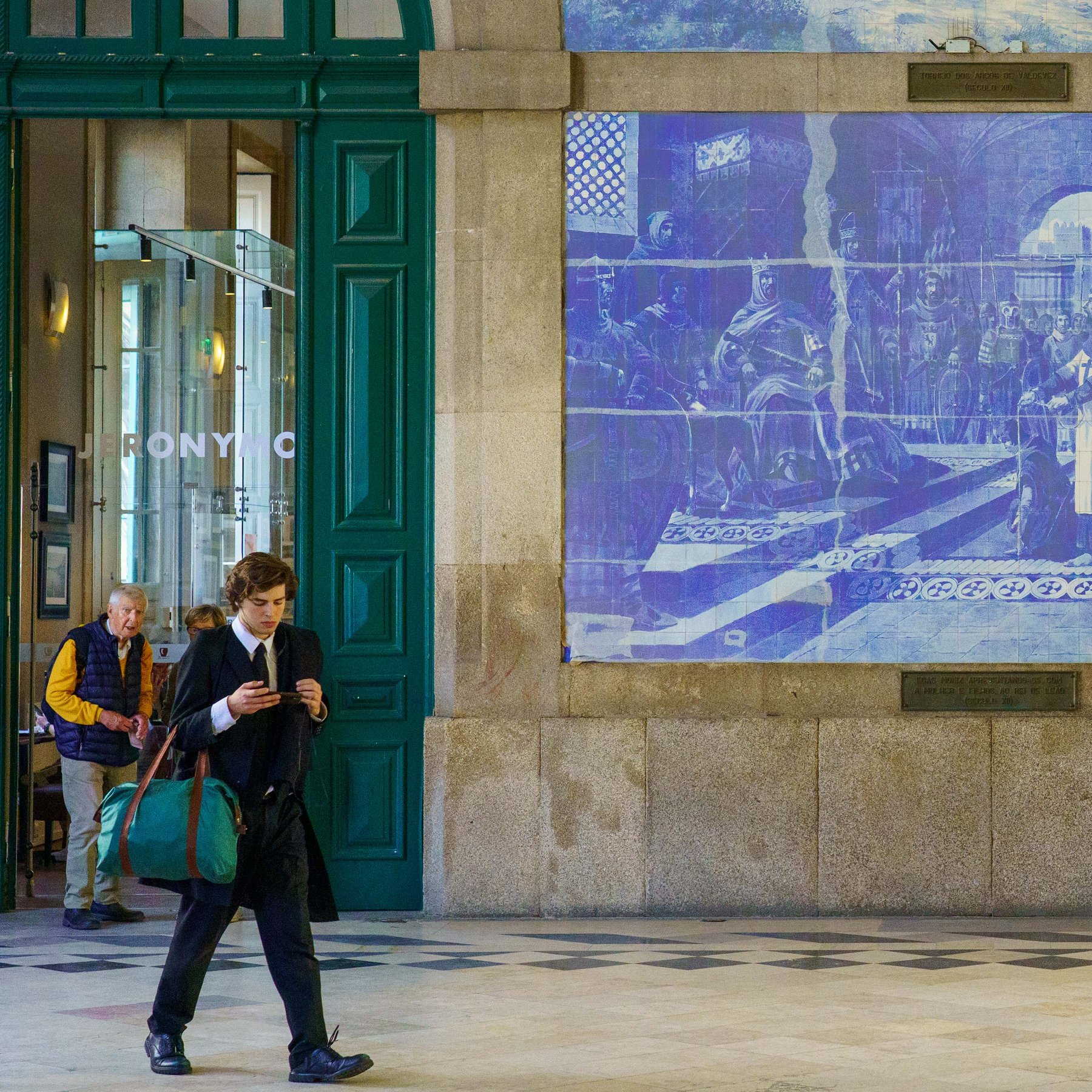
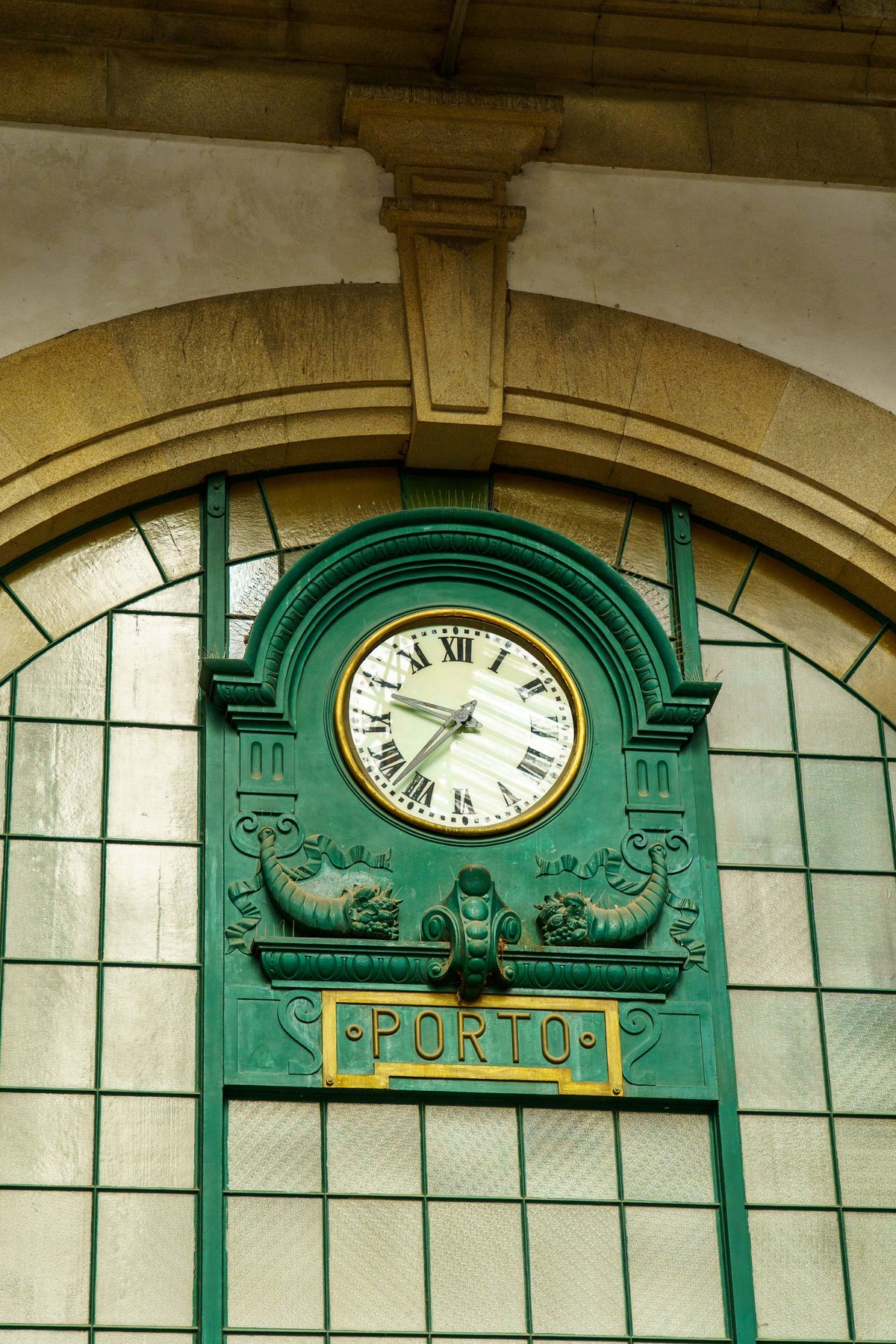
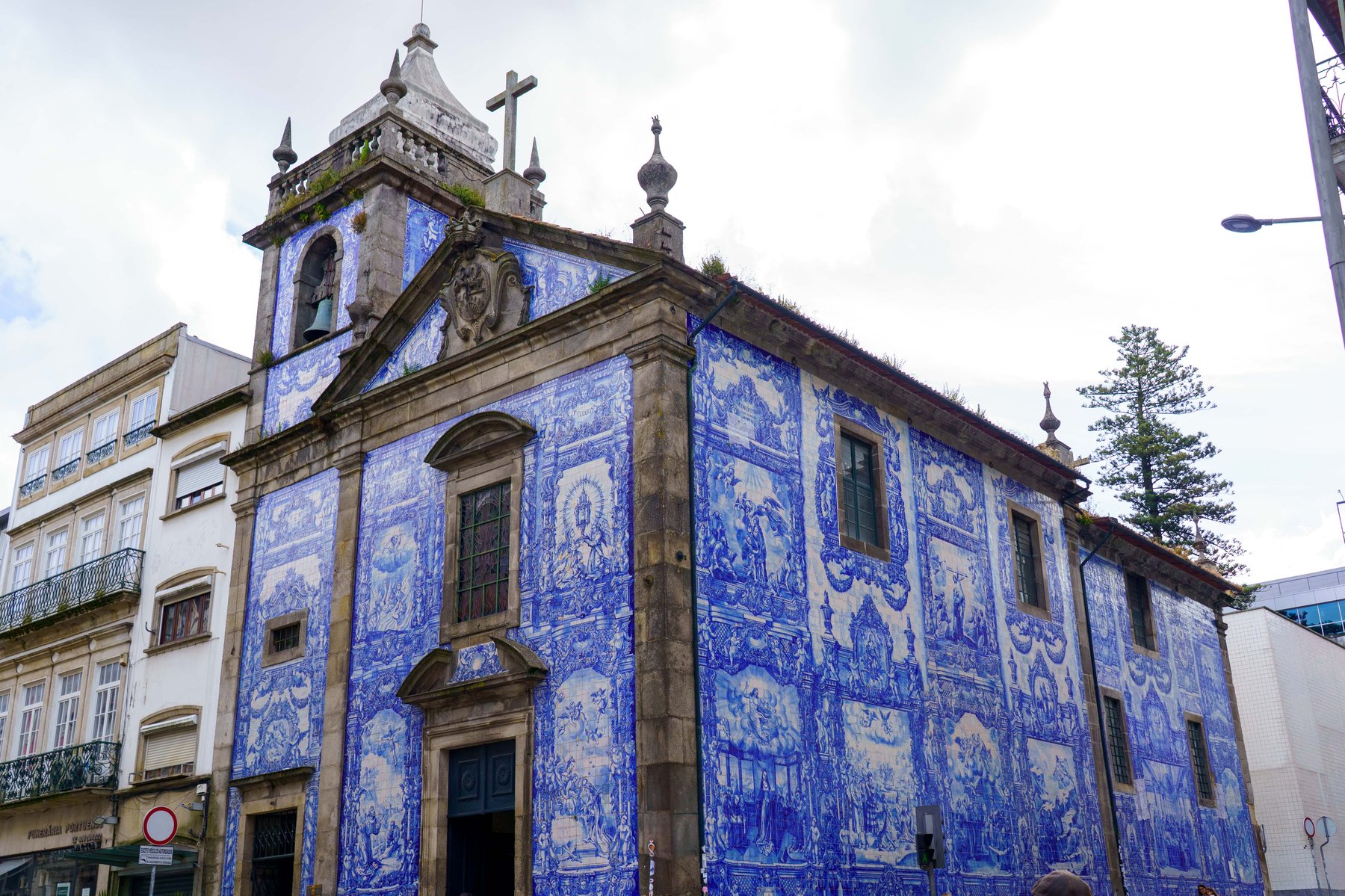
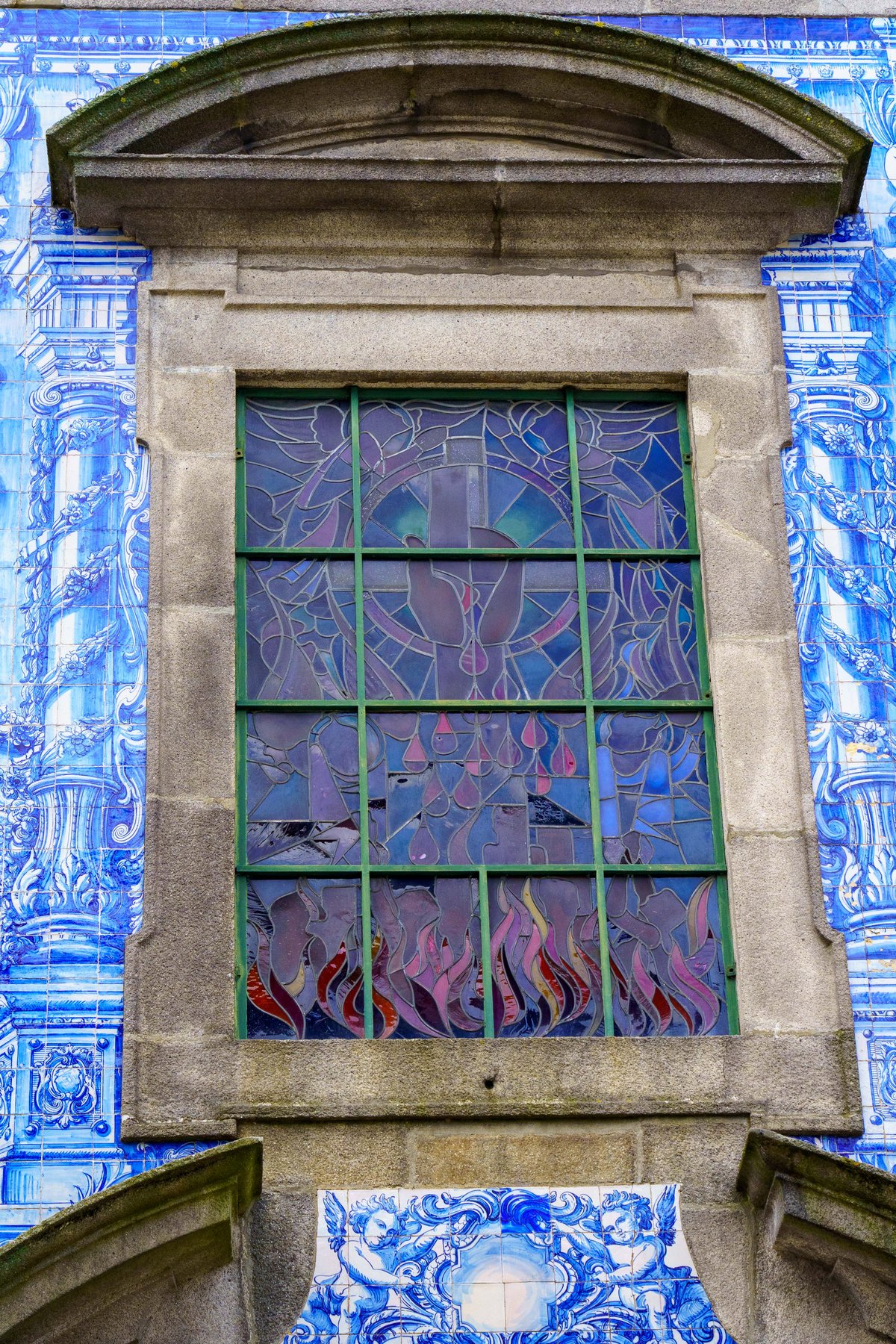
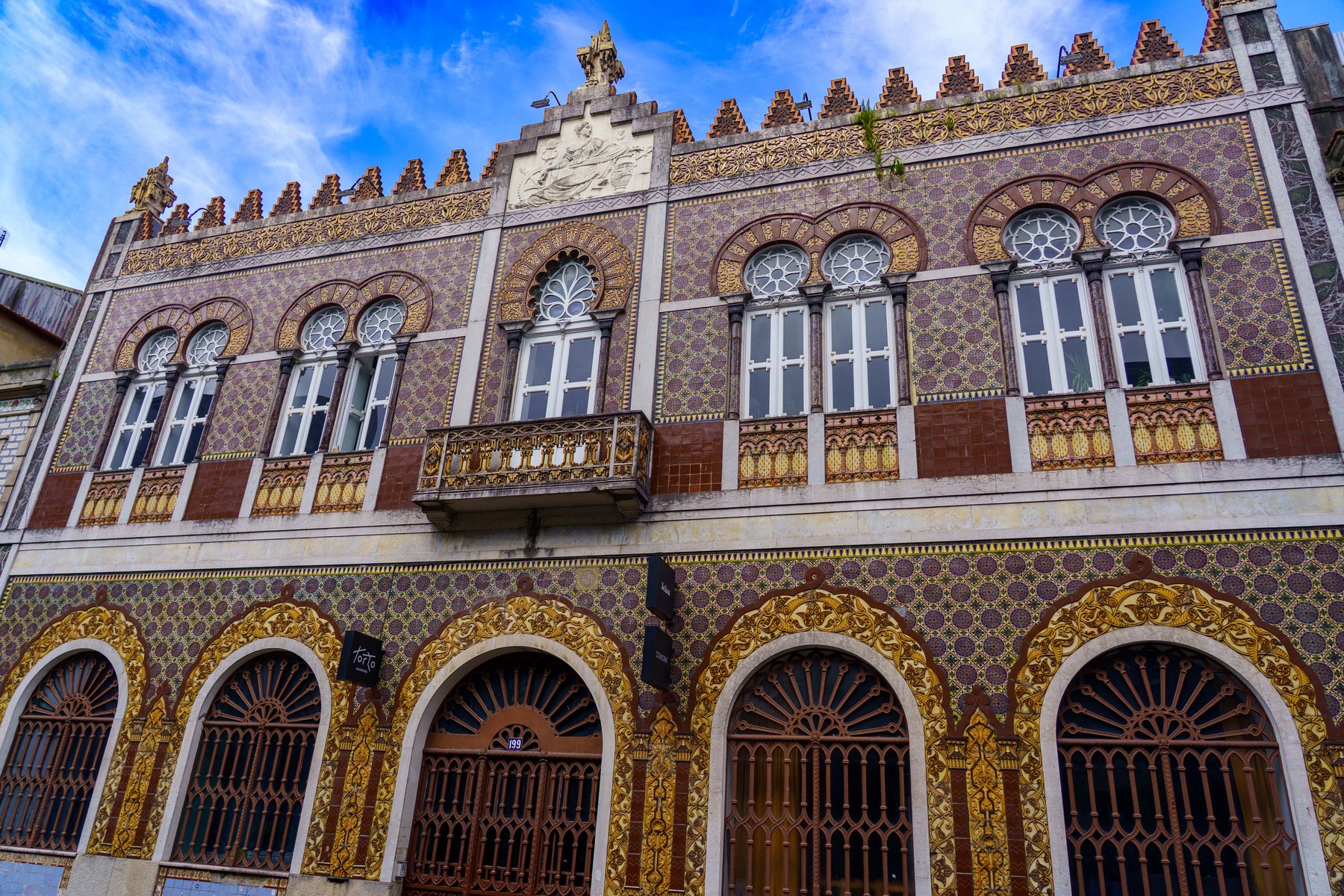
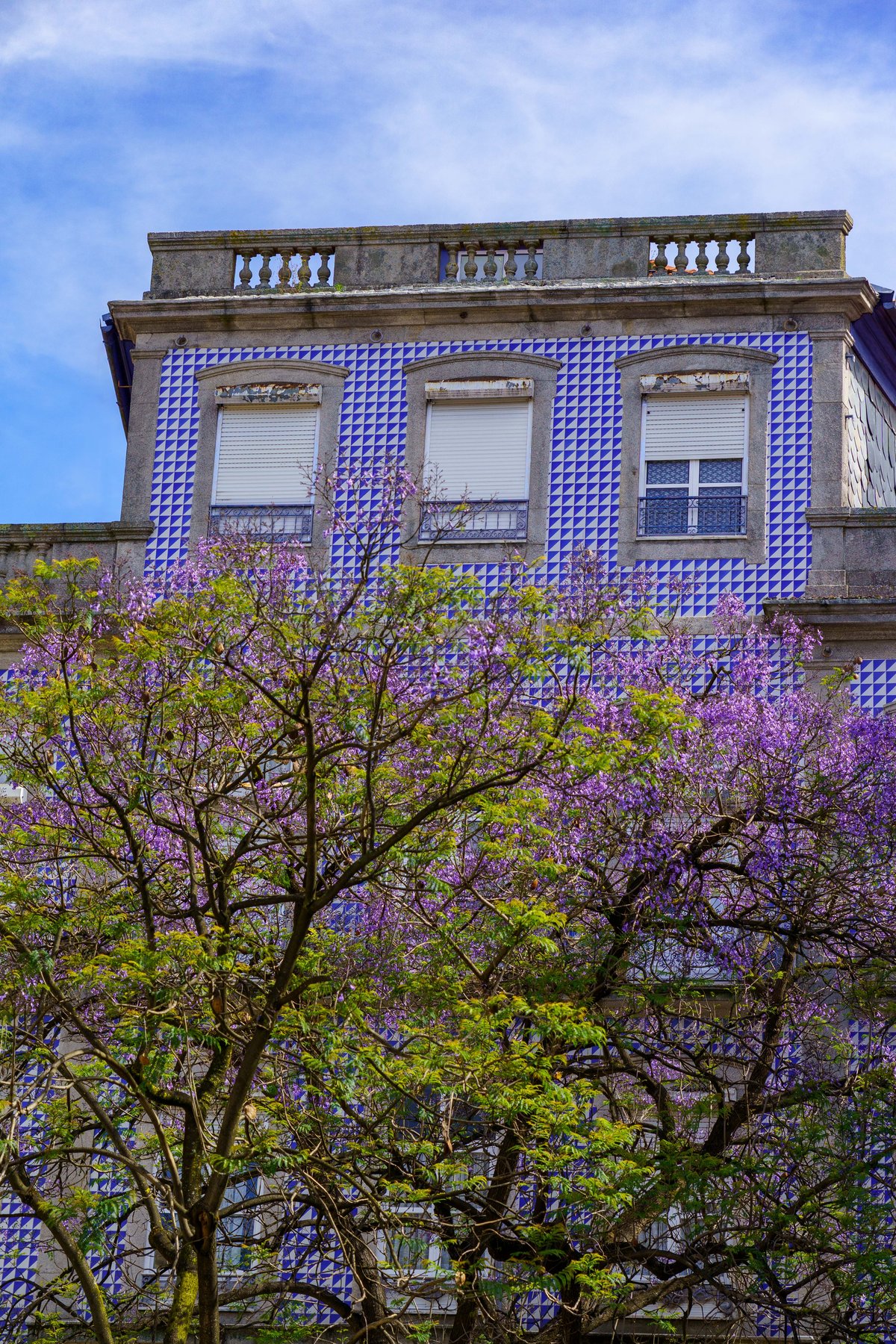
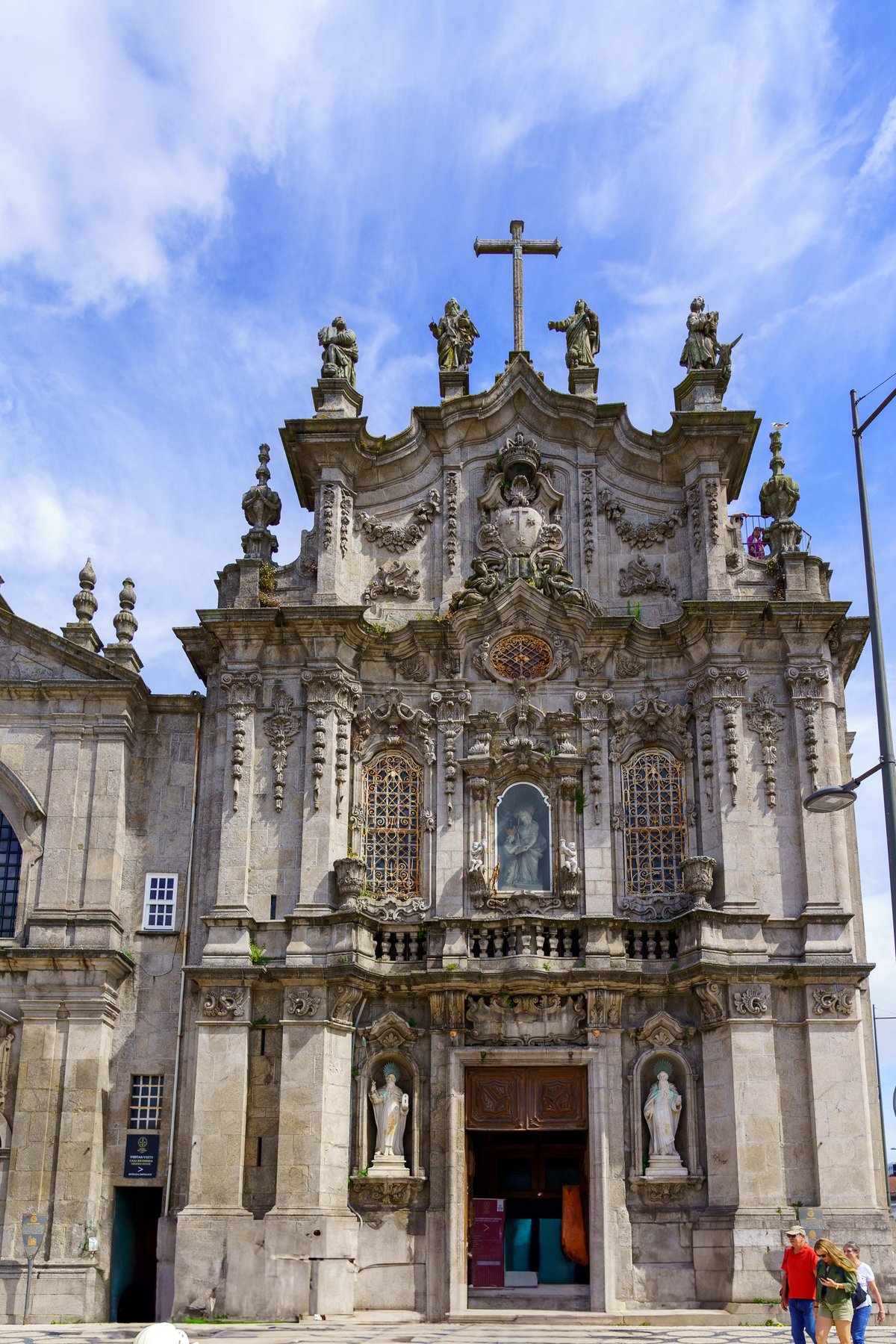
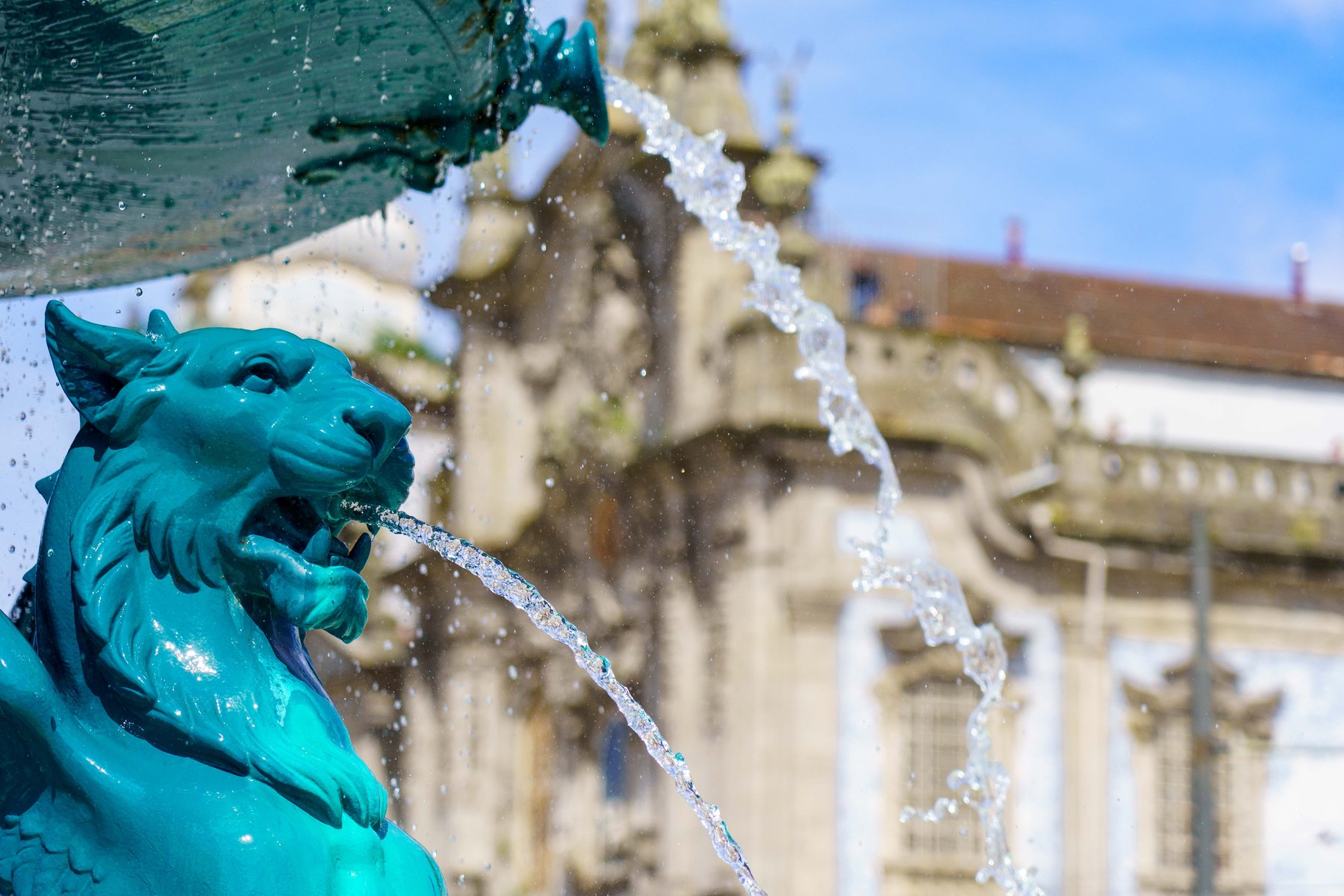
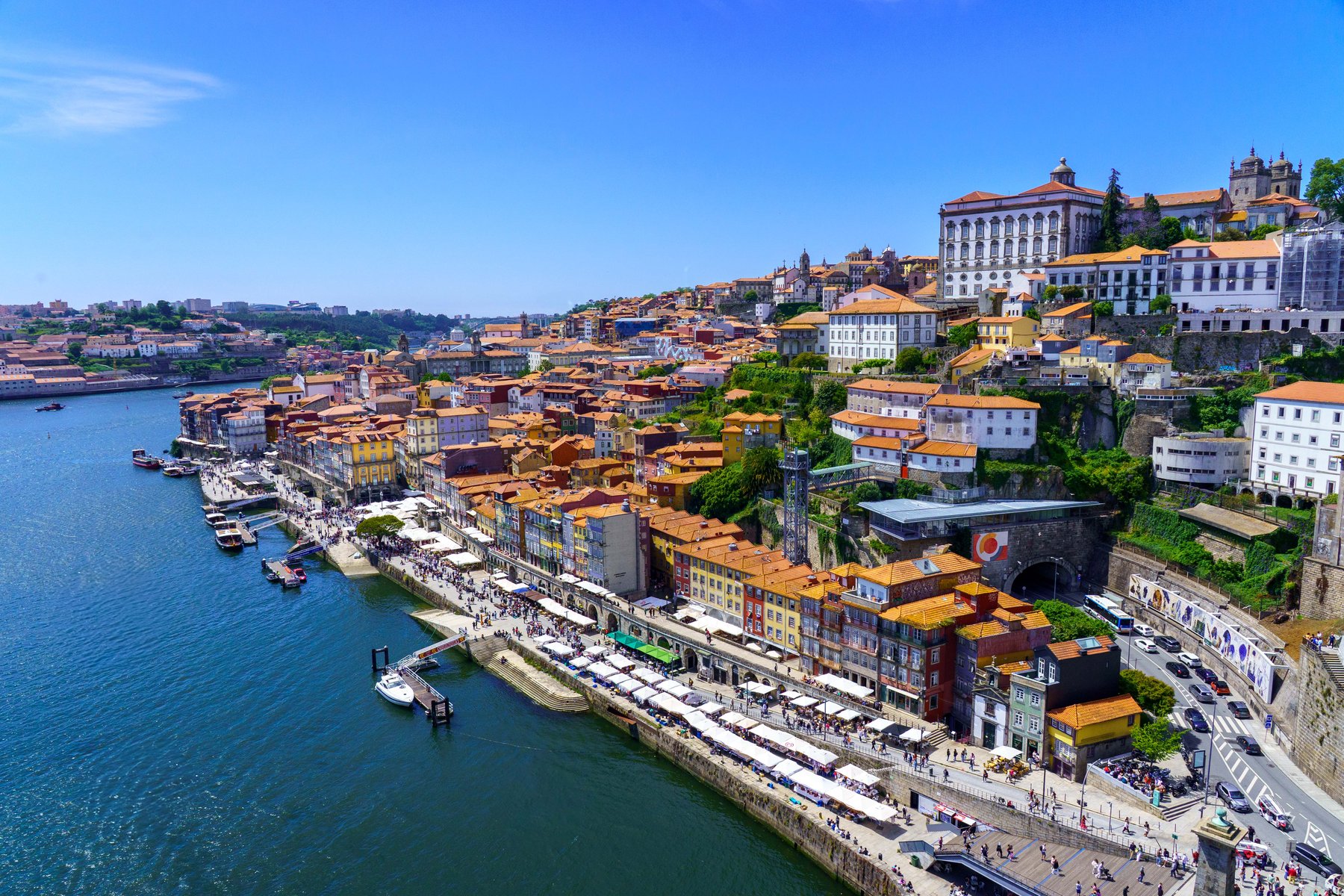
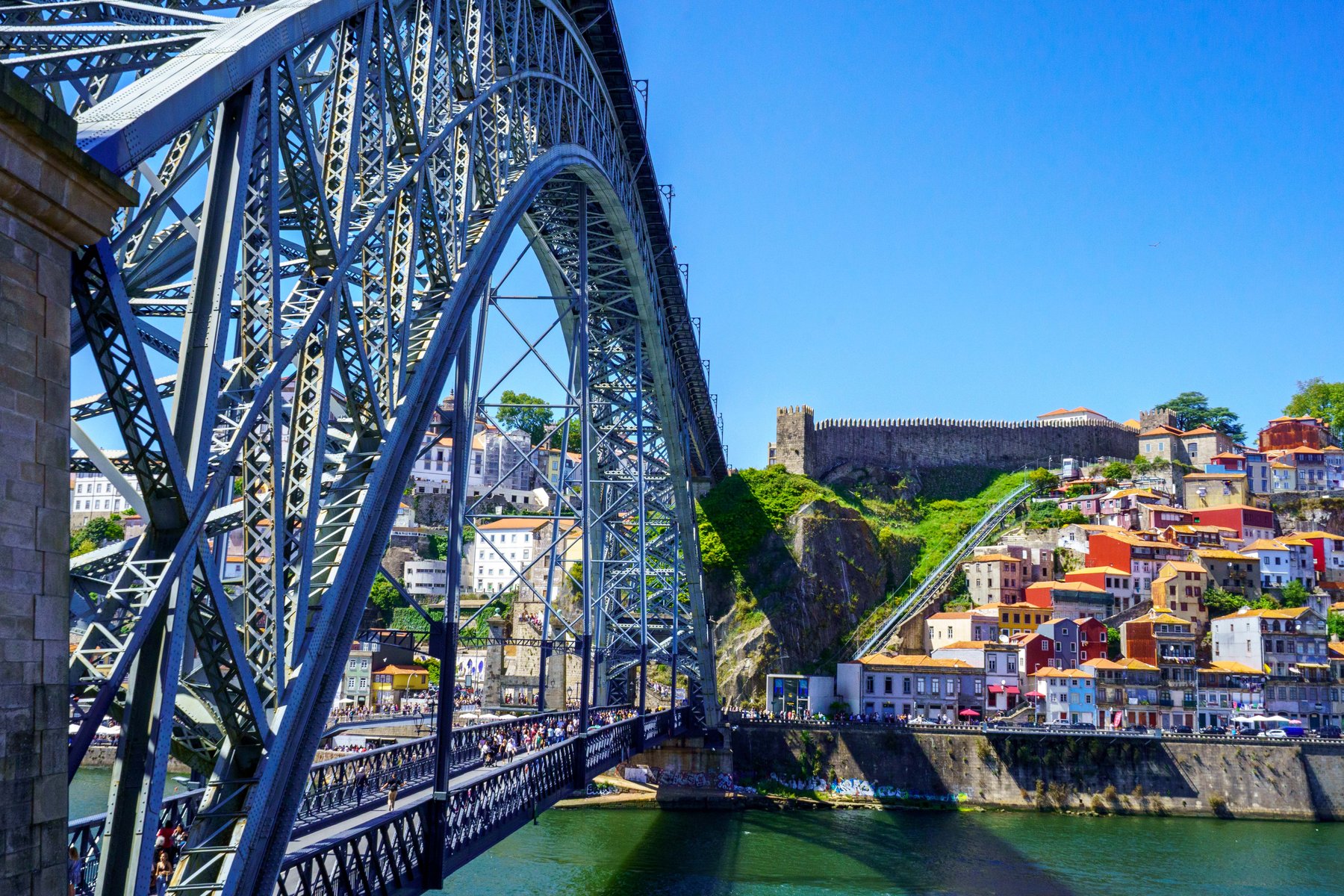
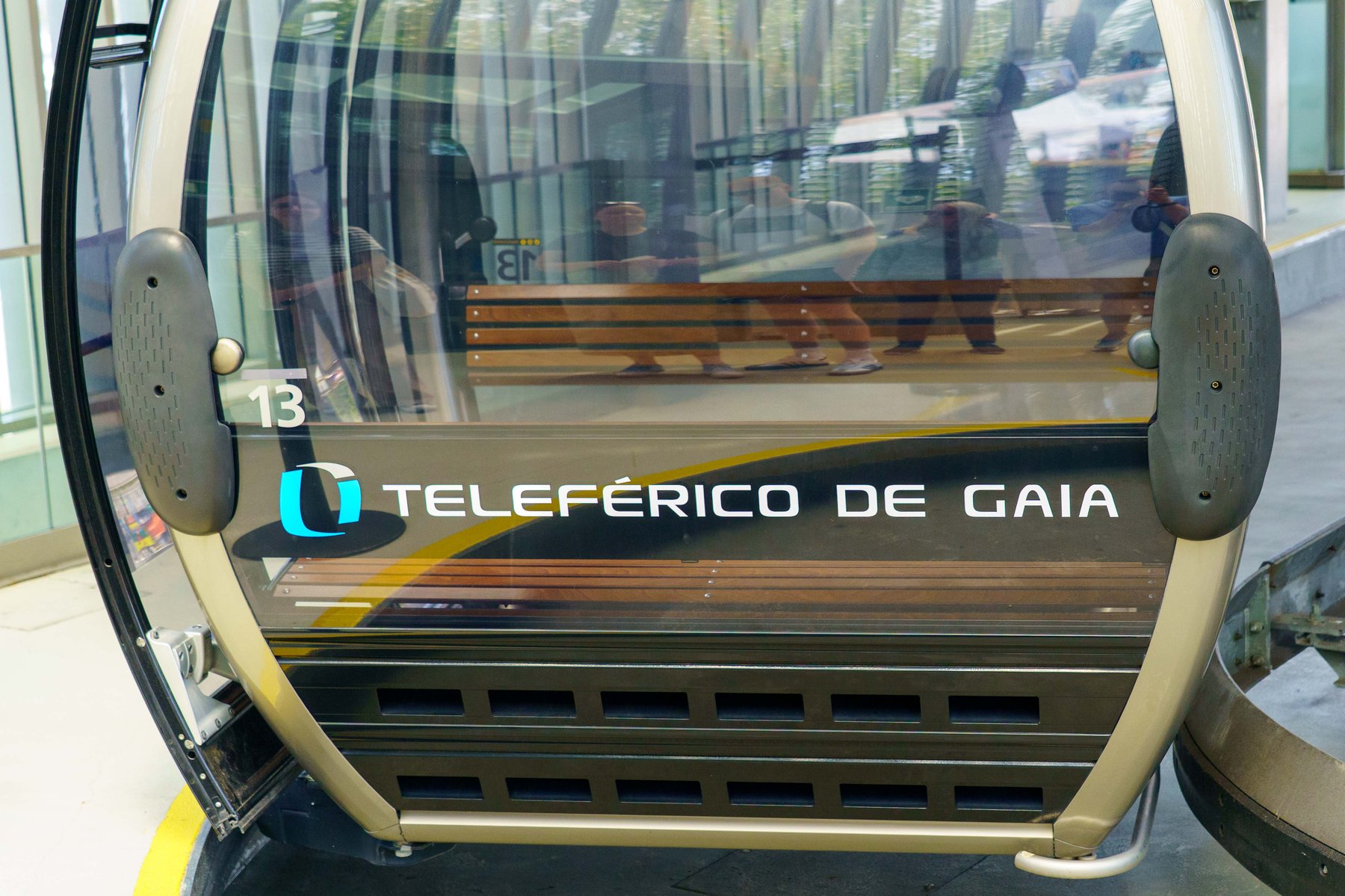
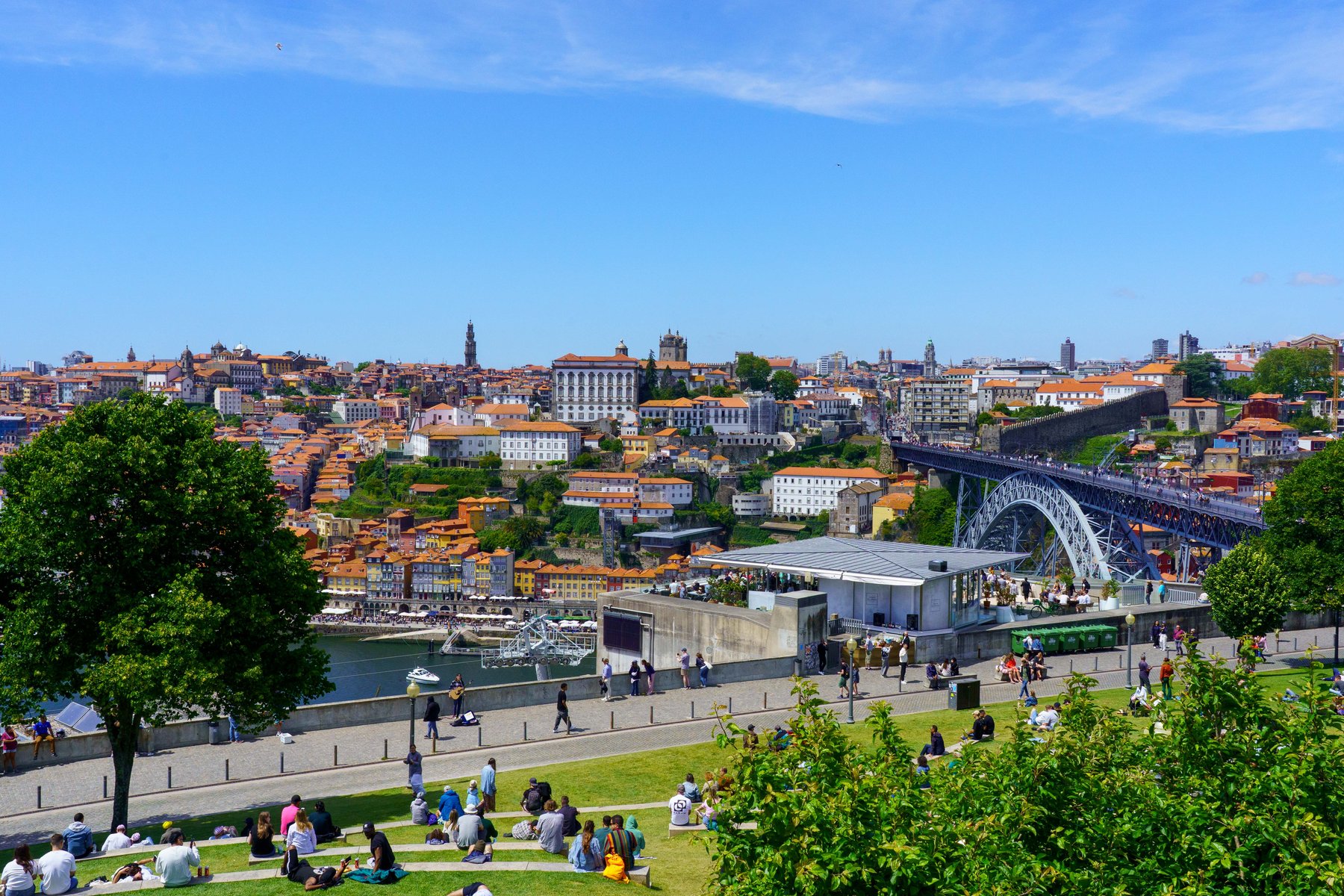
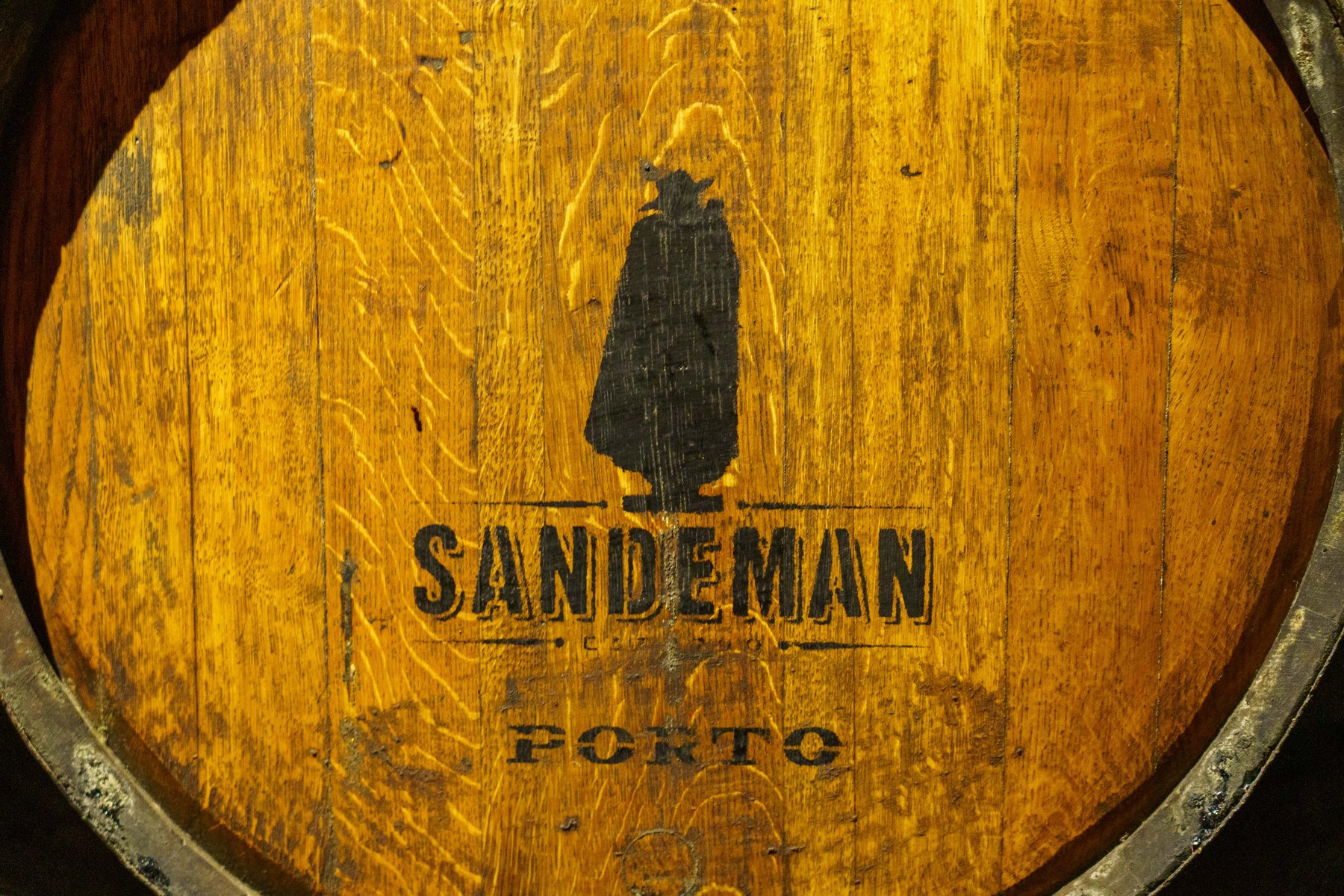
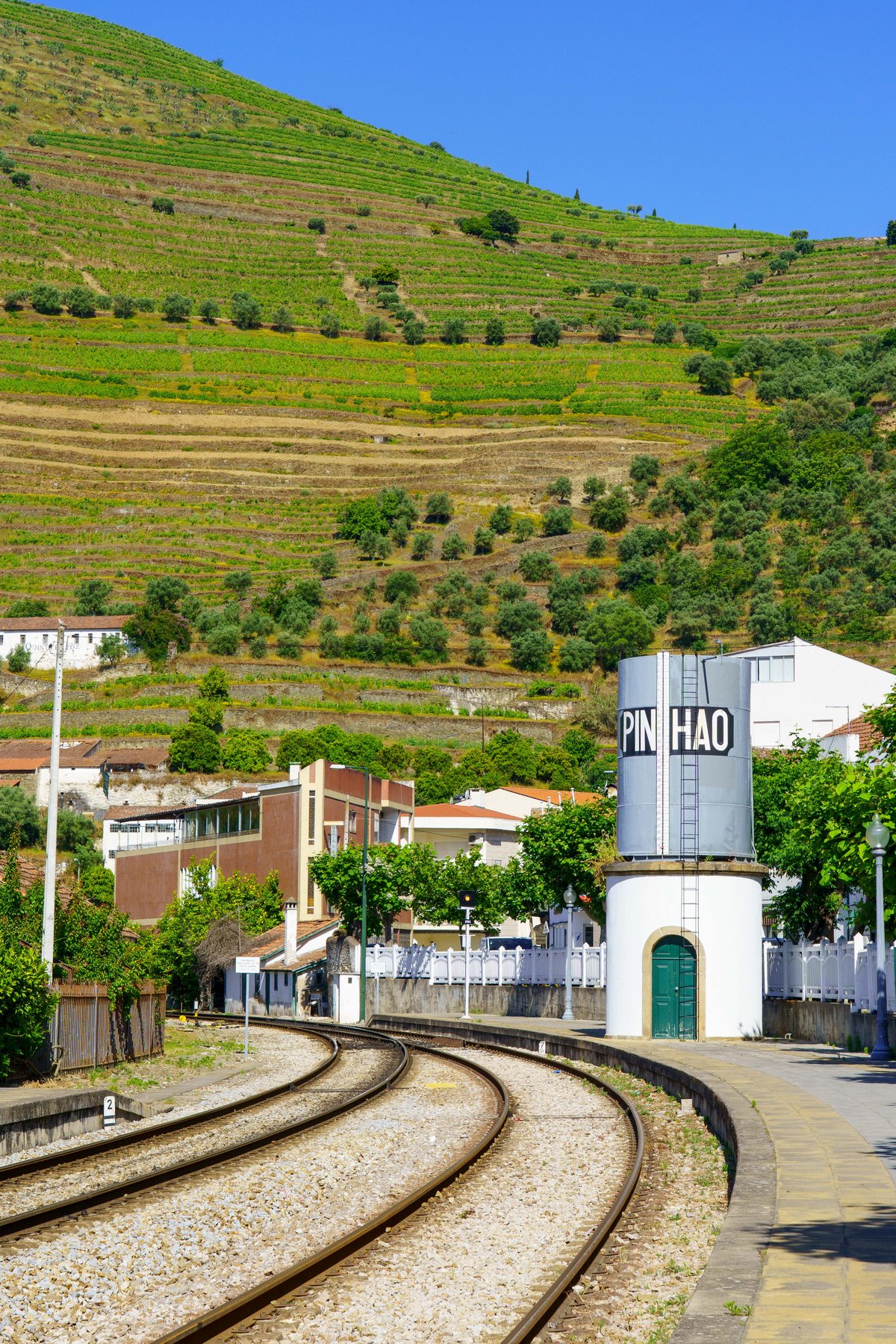
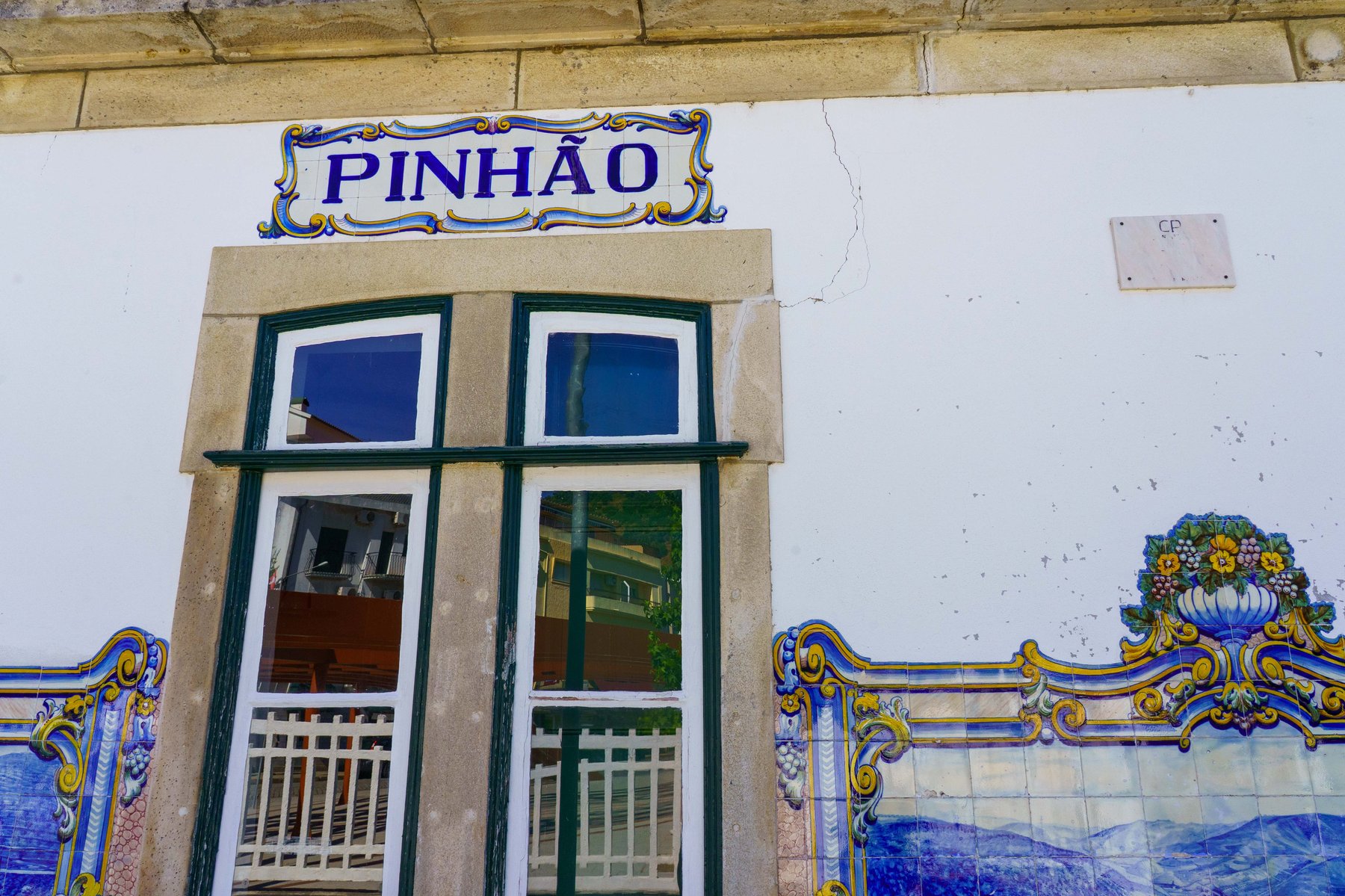
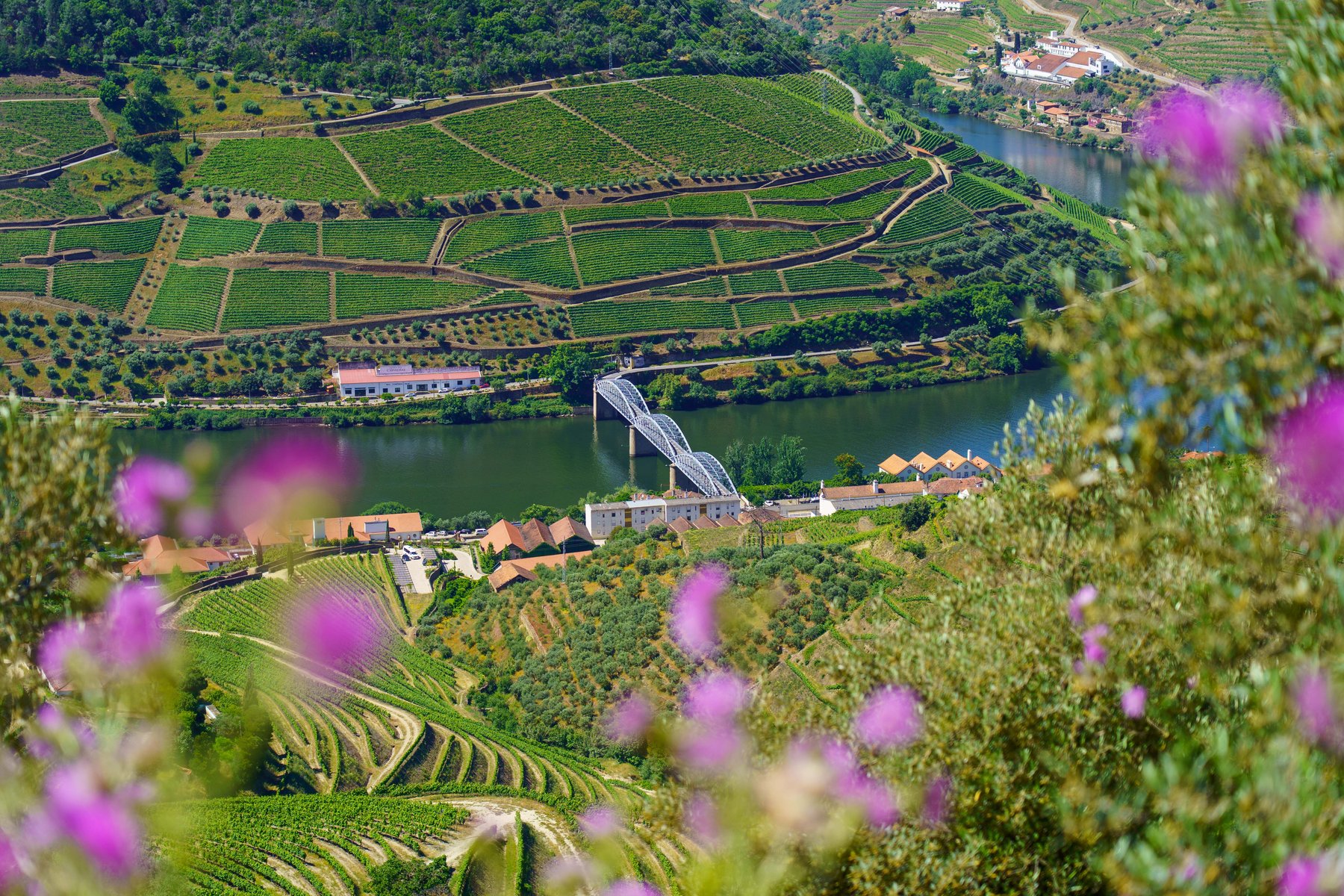
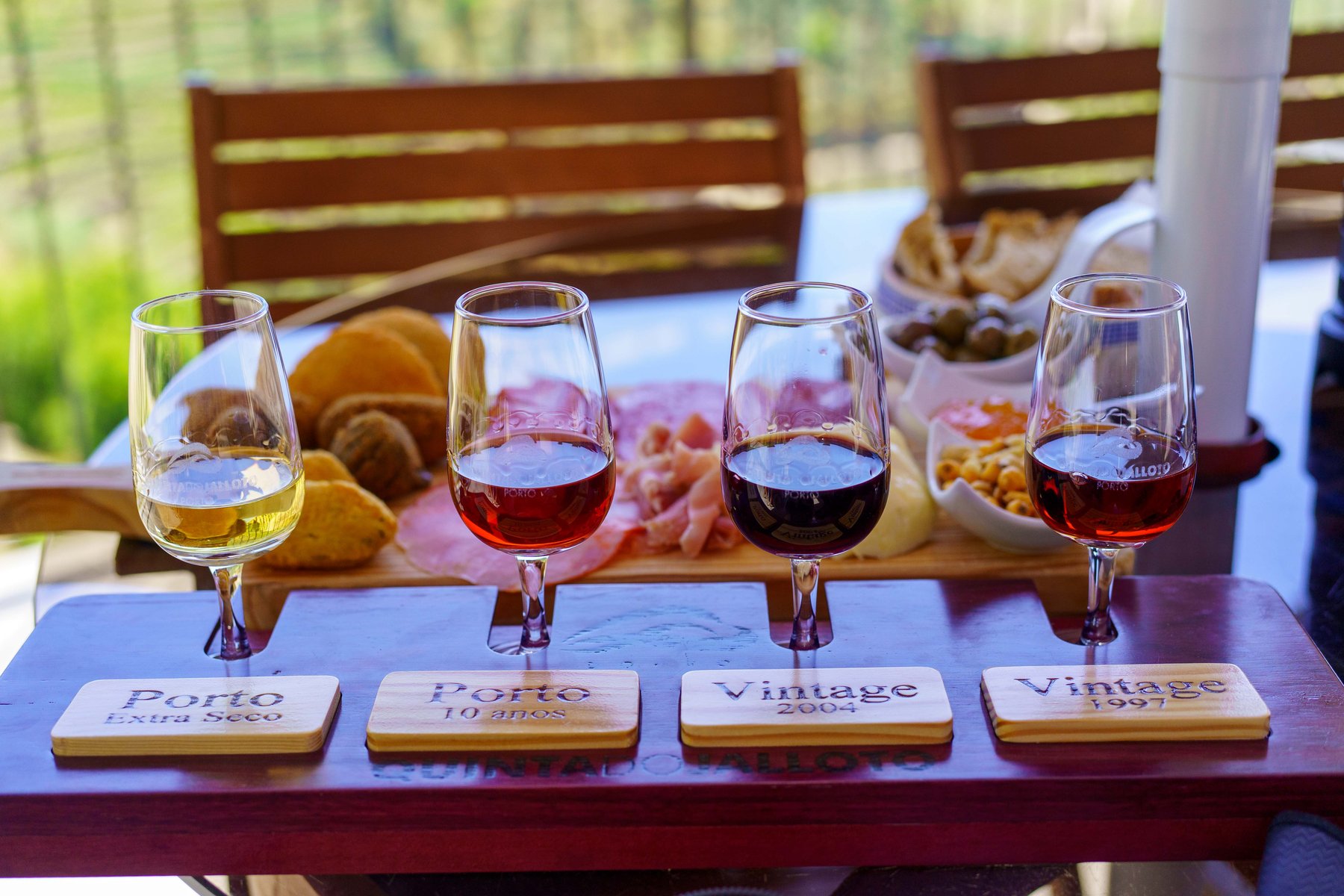
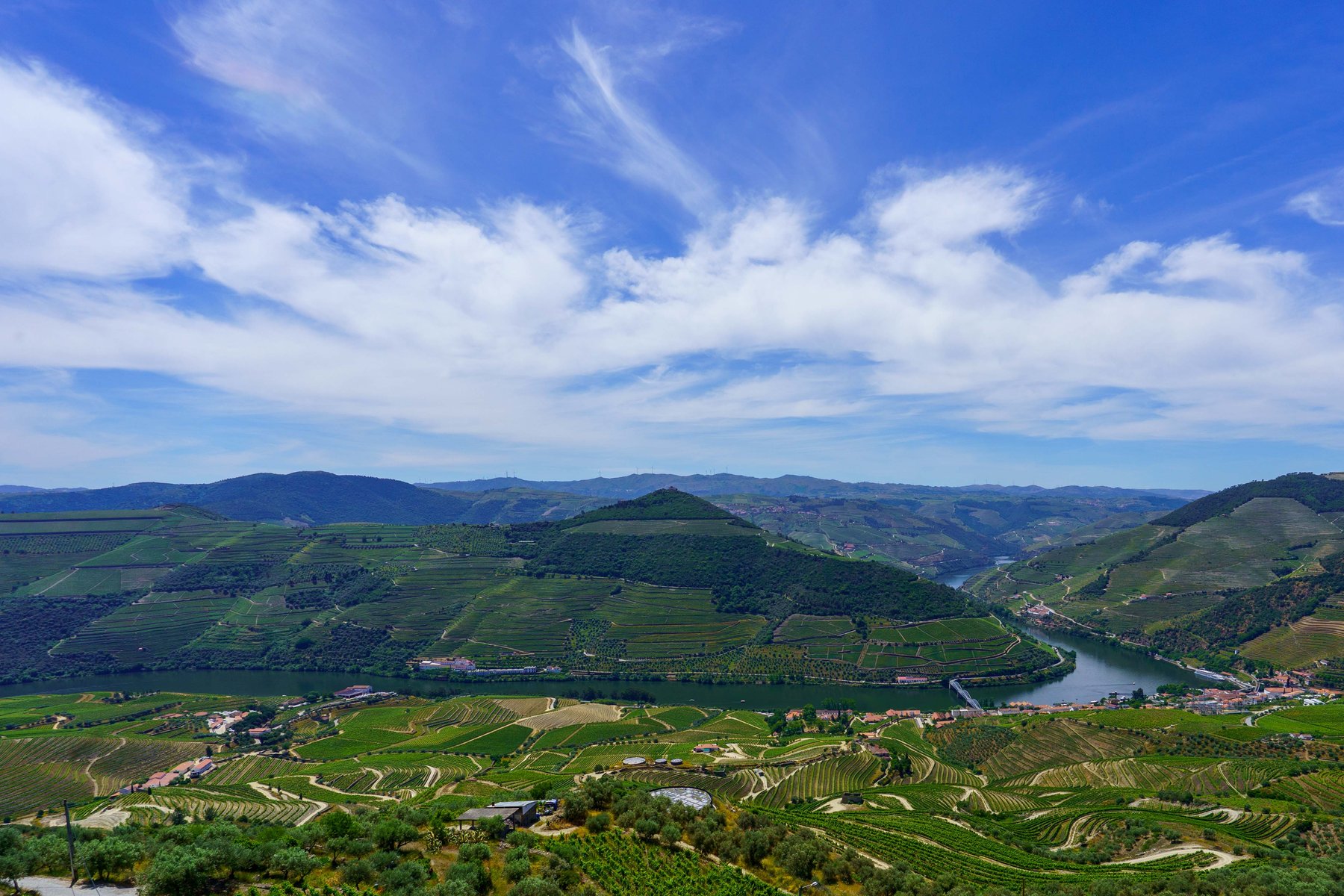
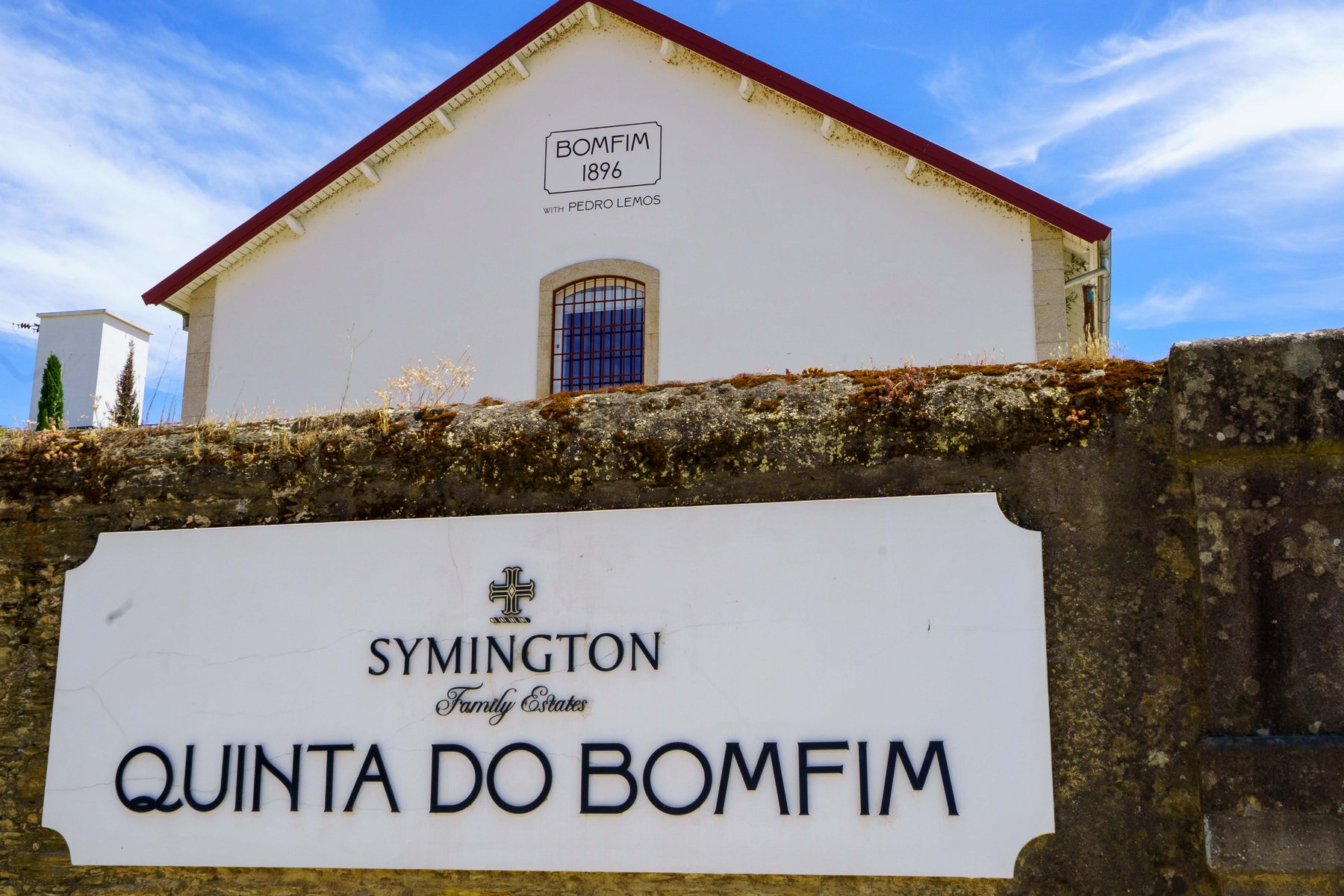
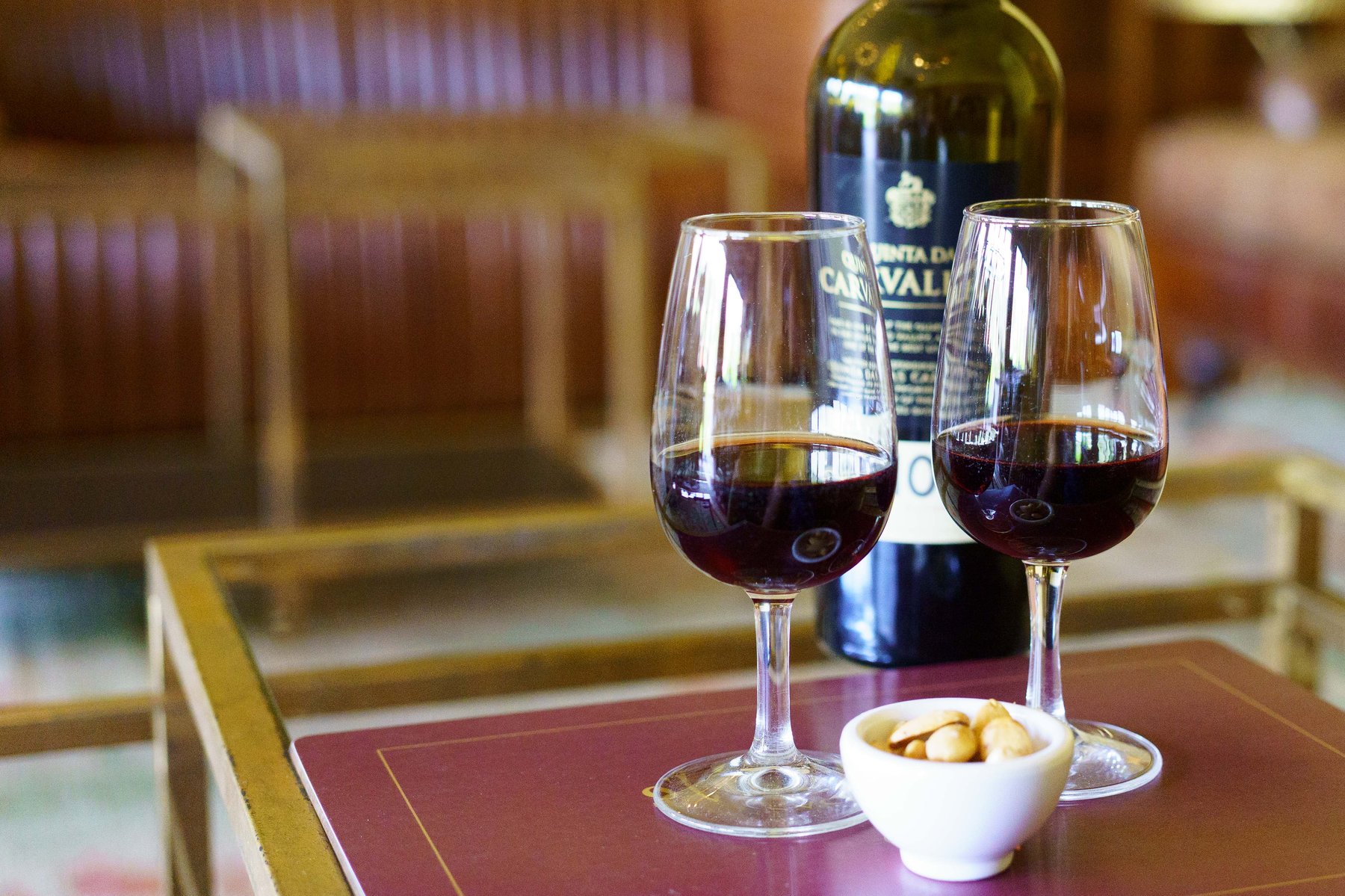
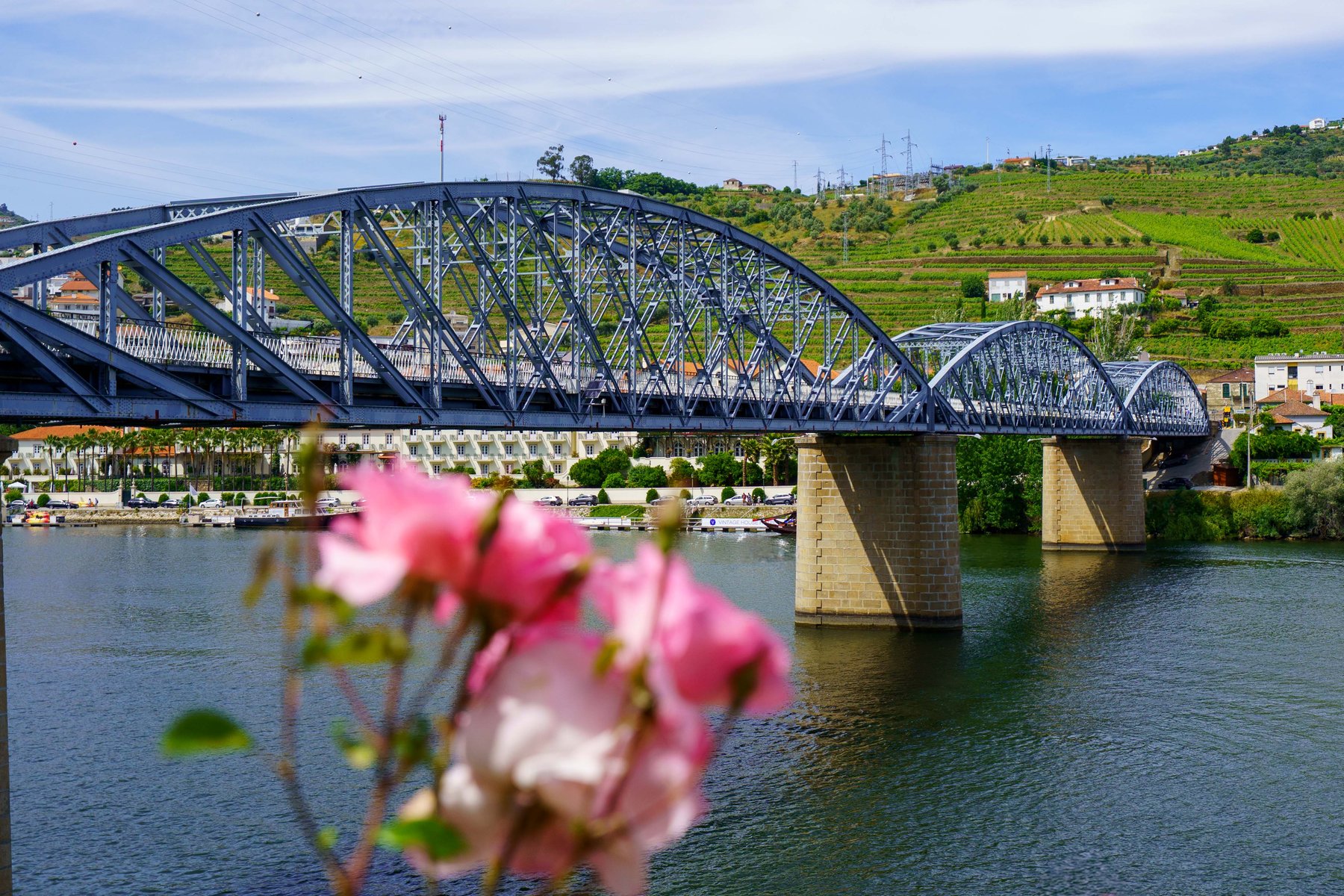
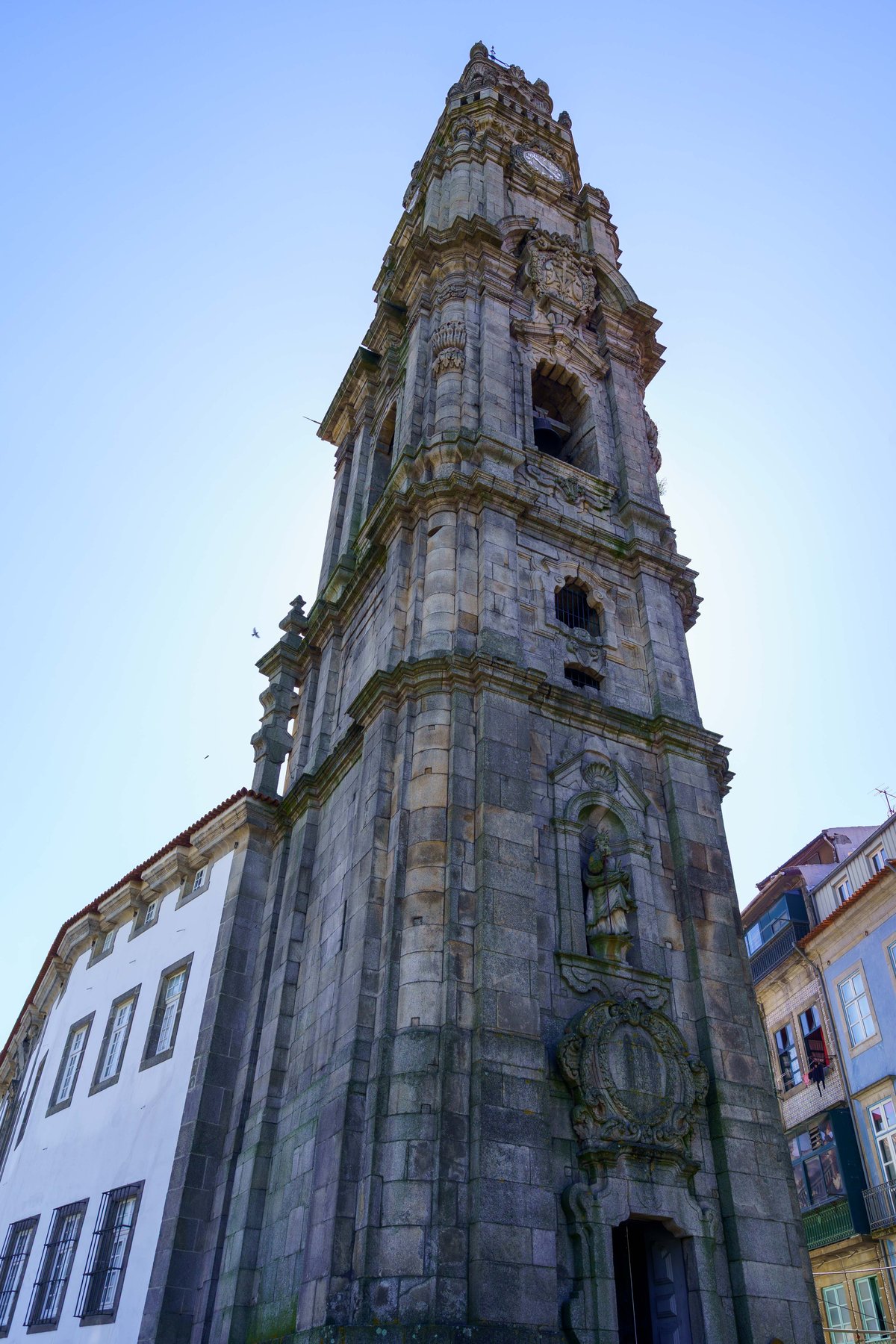
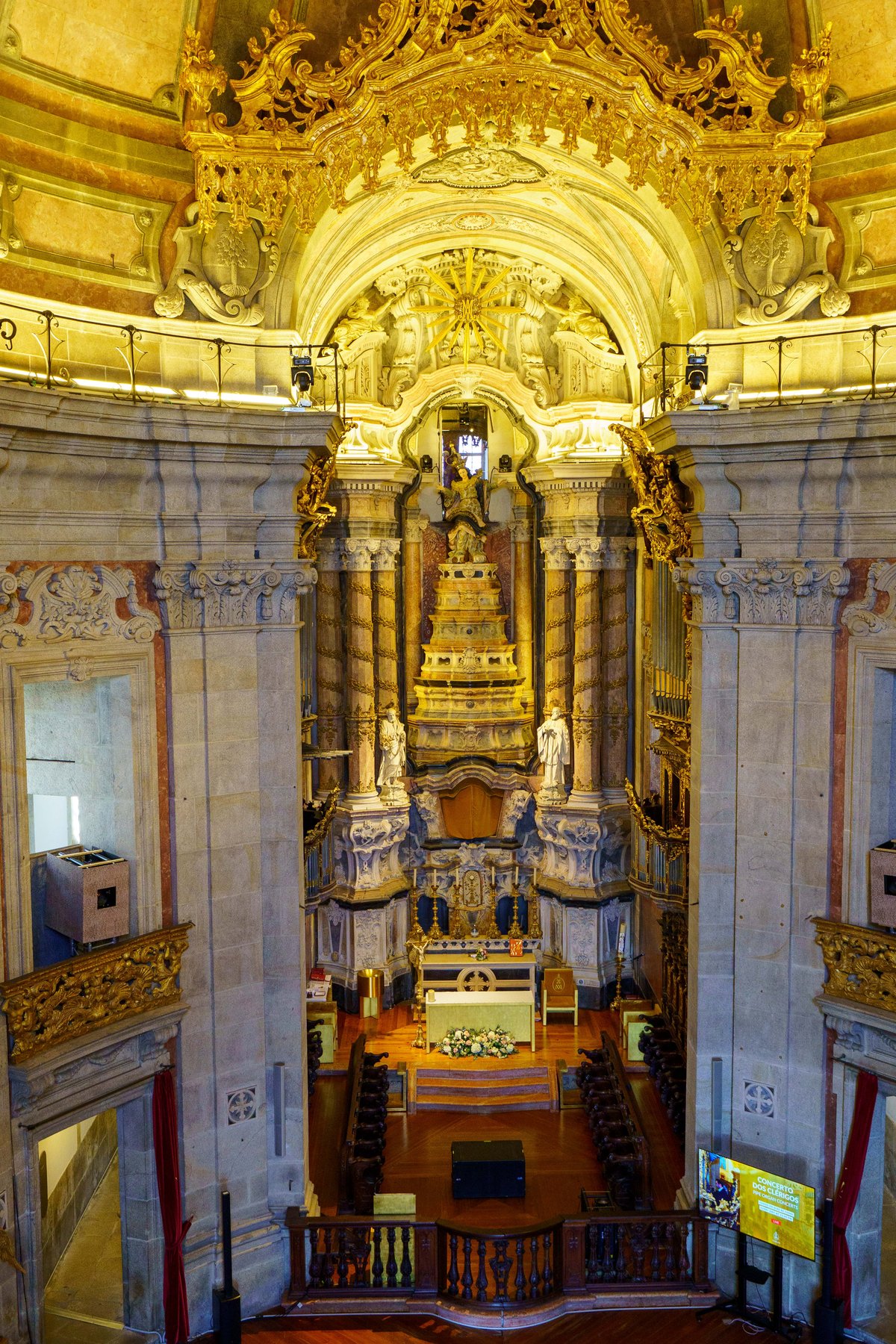
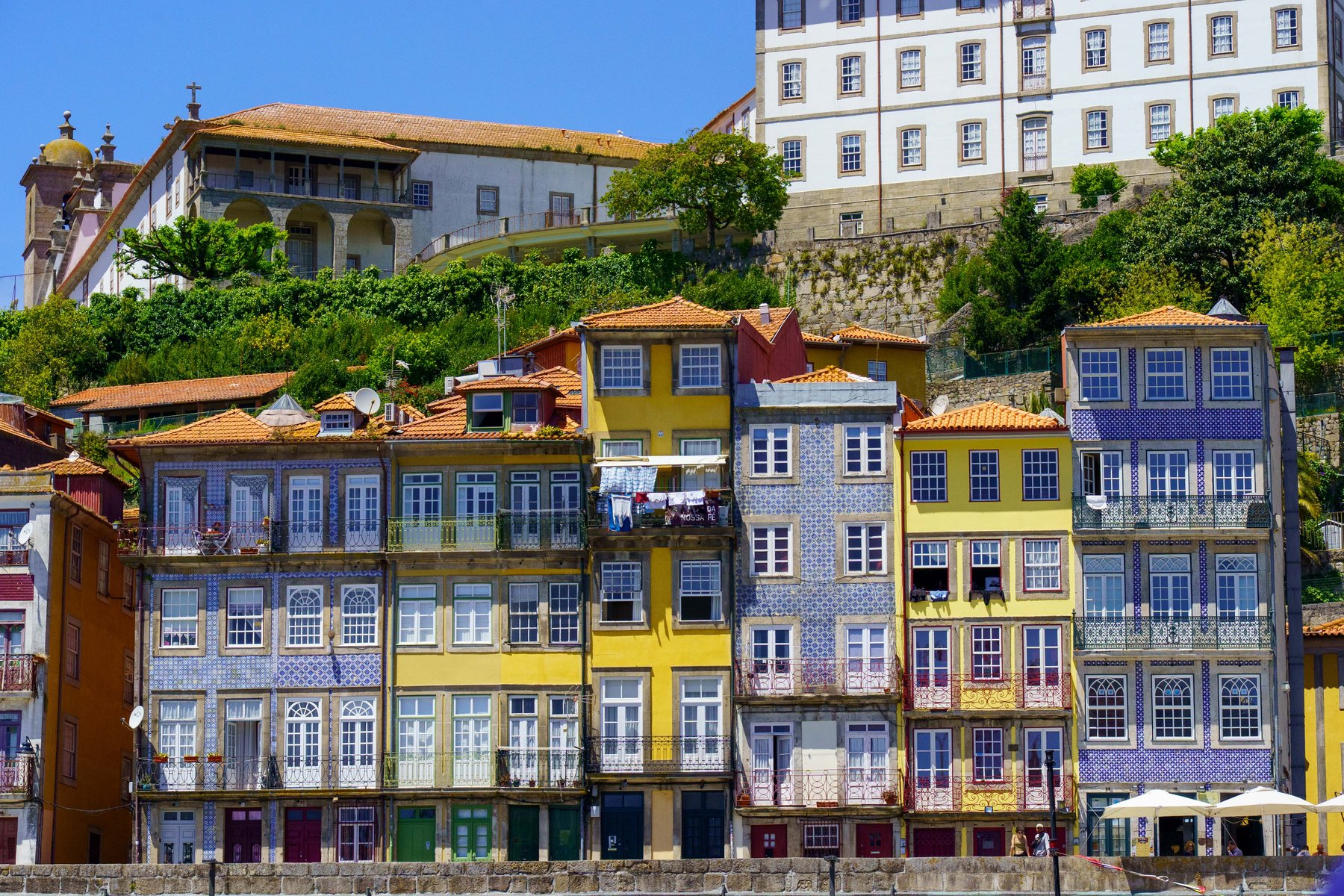
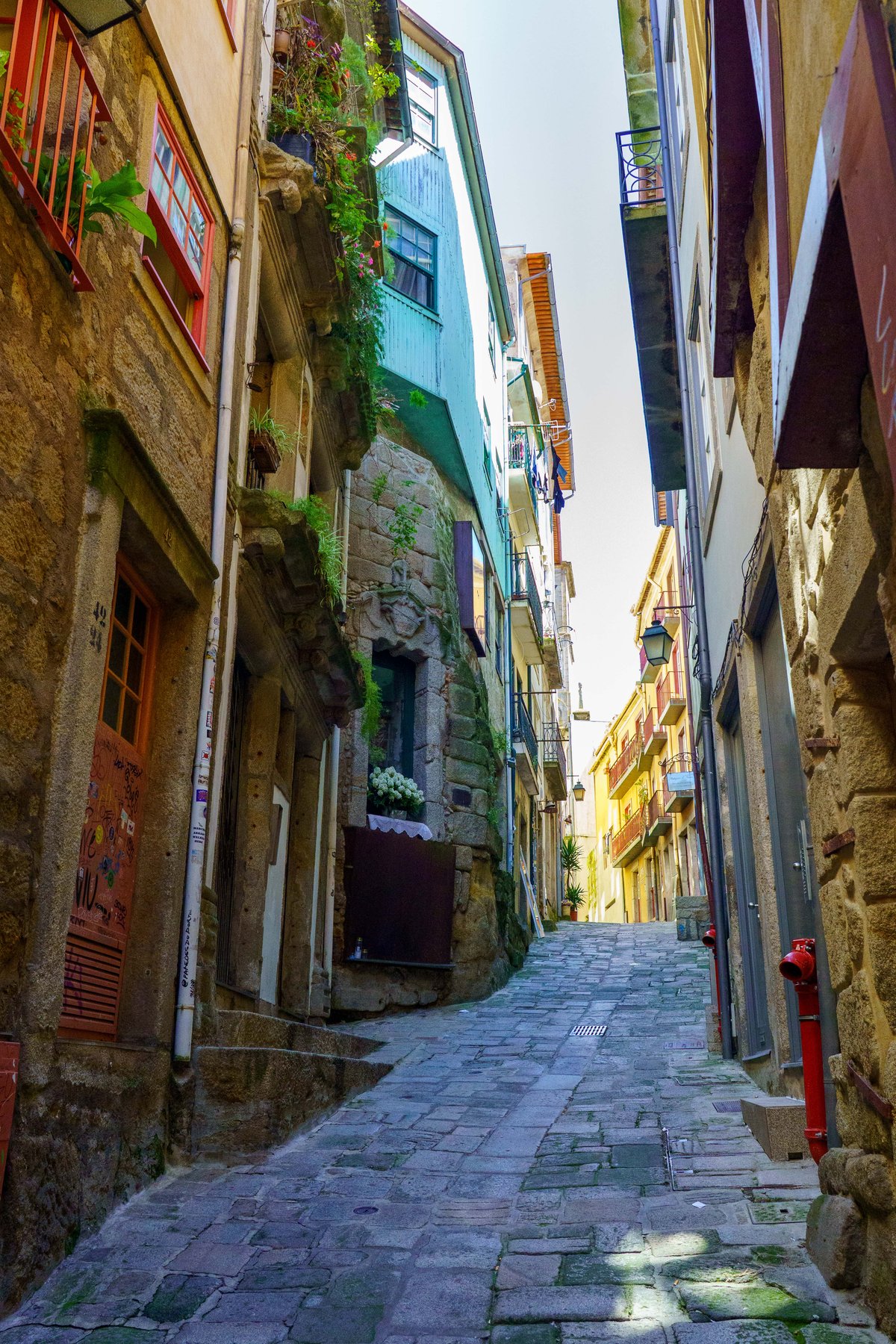
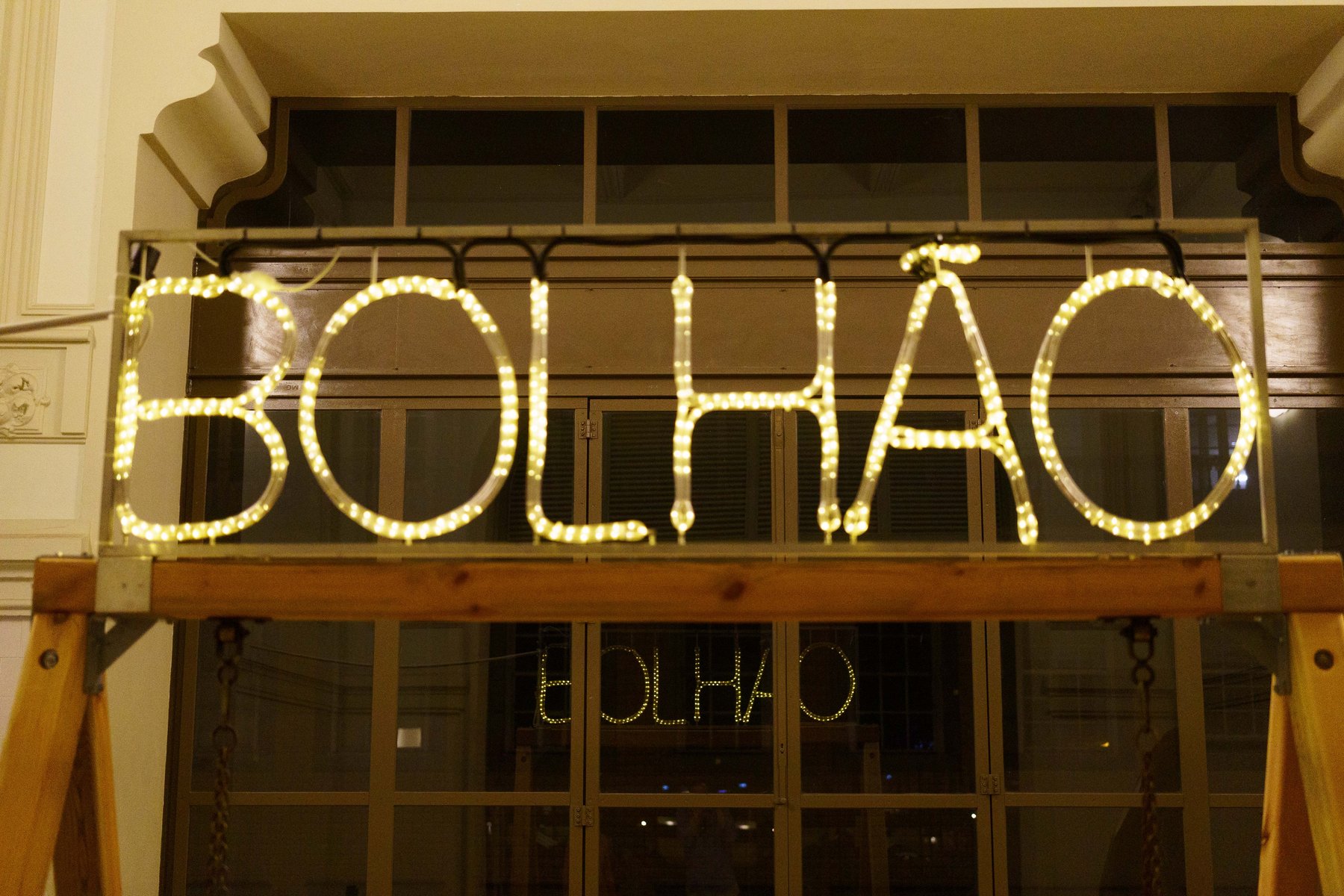
Porto announces itself the moment you step off the train: São Bento Station's entrance hall is wrapped floor to ceiling in blue-and-white azulejo tiles depicting scenes from Portuguese history, a fitting backdrop for watching generations pass through on their way somewhere else. Just outside, the city's tilework habit continues — the deep-blue facade of Capela das Almas, a jacaranda blooming purple against another patterned building nearby, and one more ornately tiled townhouse a few streets over. Up near the University of Porto, the Fonte dos Leões sends water arcing past the Baroque front of Igreja do Carmo, while the Ribeira waterfront below hums with cafes and colorful rowhouses stacked along the Douro. The iron double-deck Dom Luís I Bridge carries foot traffic across to Vila Nova de Gaia, where a cable car climbs to Jardim do Morro for a postcard view back over the river, and where the real business of Porto waits in cool cellar rooms — a Sandeman port barrel stamped with the label's silhouetted Don, and a flight of tawny, ruby, and white poured for tasting at the end of the day. A short train ride upriver, Pinhão sits at the heart of the Douro Valley, its tiny station marked by a water tower stenciled with the town's name and a platform sign done in azulejo tile. An hour's climb from the station leads to the Casal de Loivos viewpoint, where the river bends between terraced vineyard hillsides in every direction; coming back down, Quinta do Jalloto, Quinta do Bomfim, and Quinta das Carvalhas each pour their own tastings within walking distance of one another. Back in Porto, the granite spire of the Torre dos Clérigos climbs above the old town, its attached church hiding a gilded Baroque altar behind an unassuming exterior, while the Mercado do Bolhão's lit-up sign, a quiet cobblestone alley, and a cat curled up in a flower pot round out a city that rewards looking both up and down.