Crete
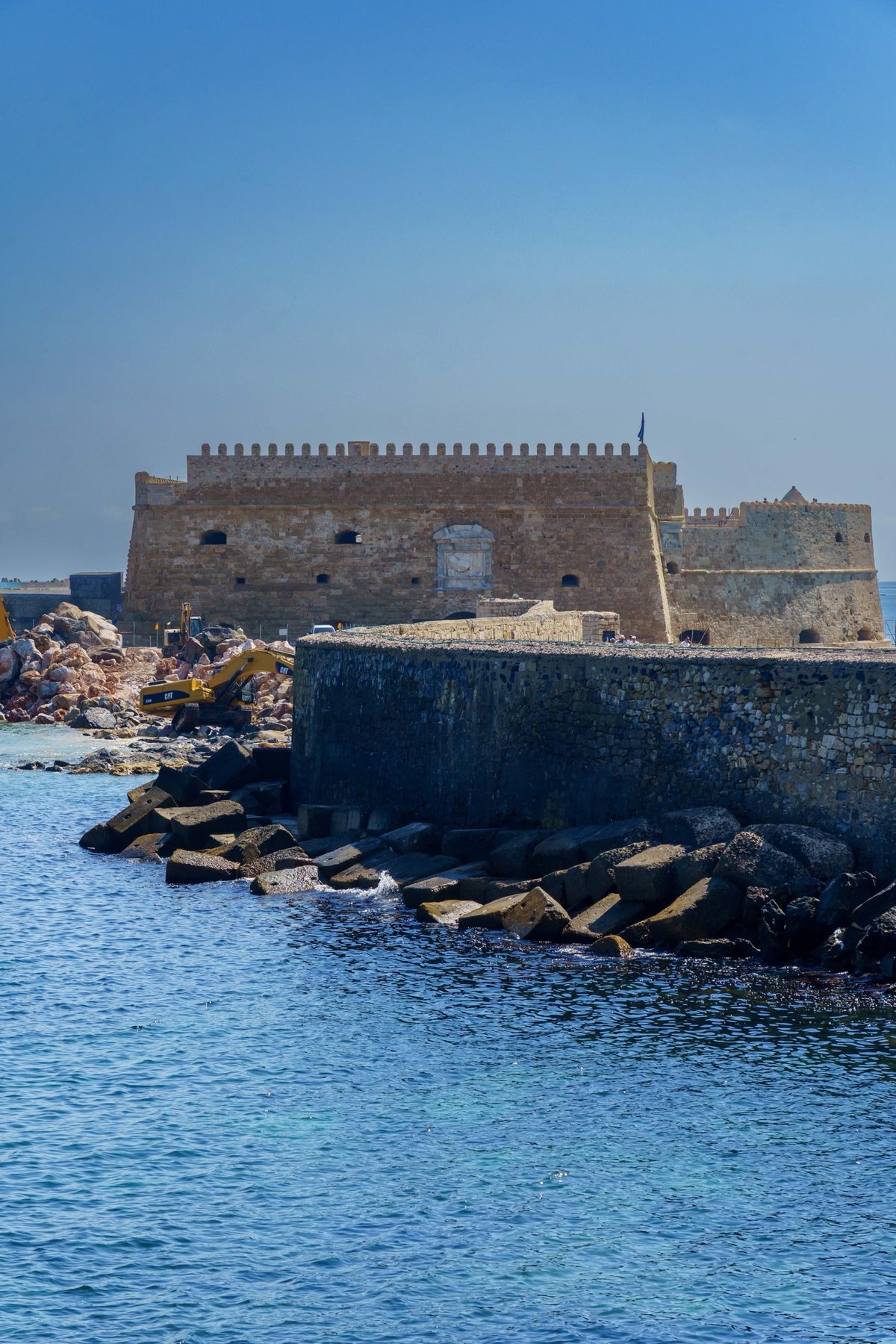
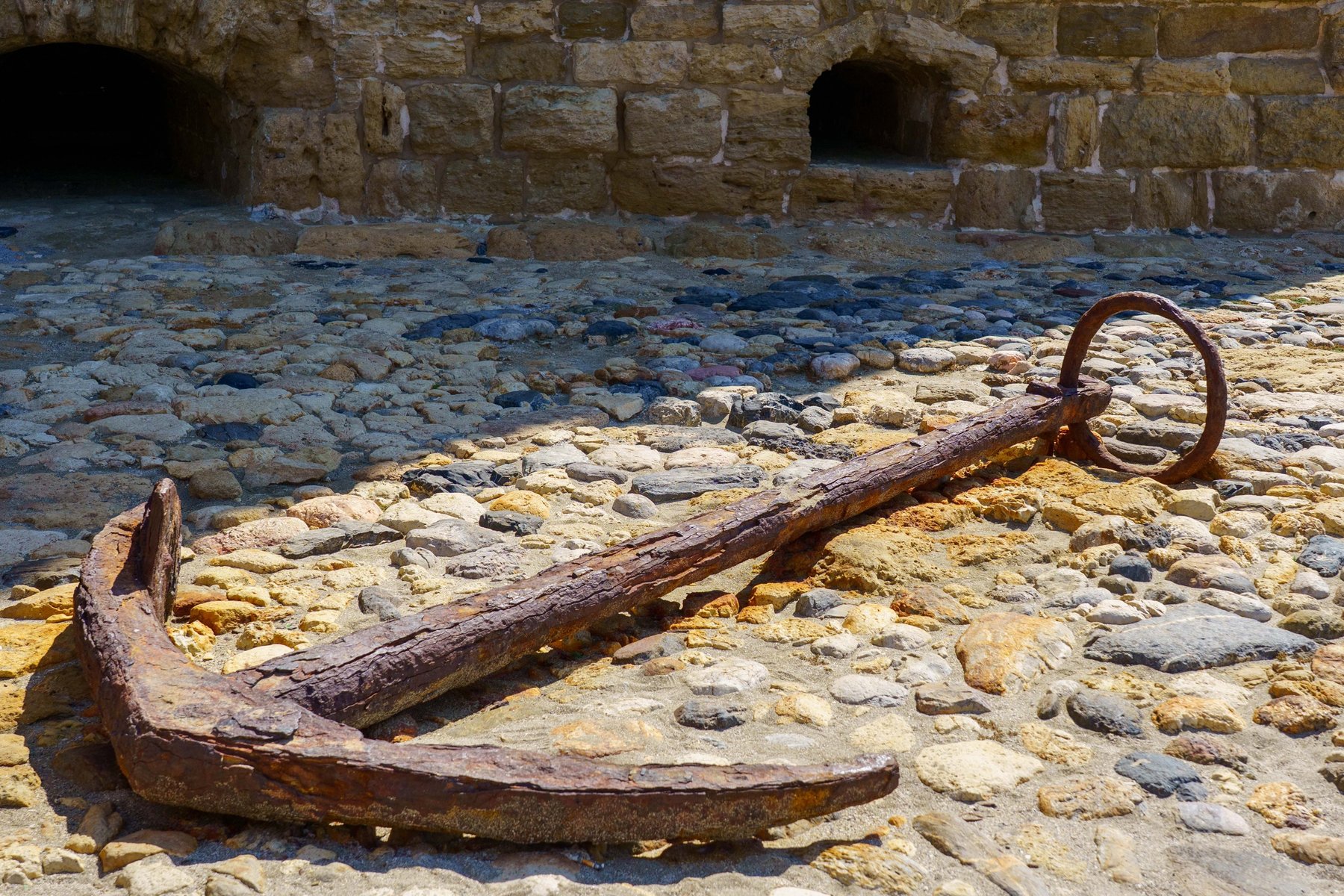
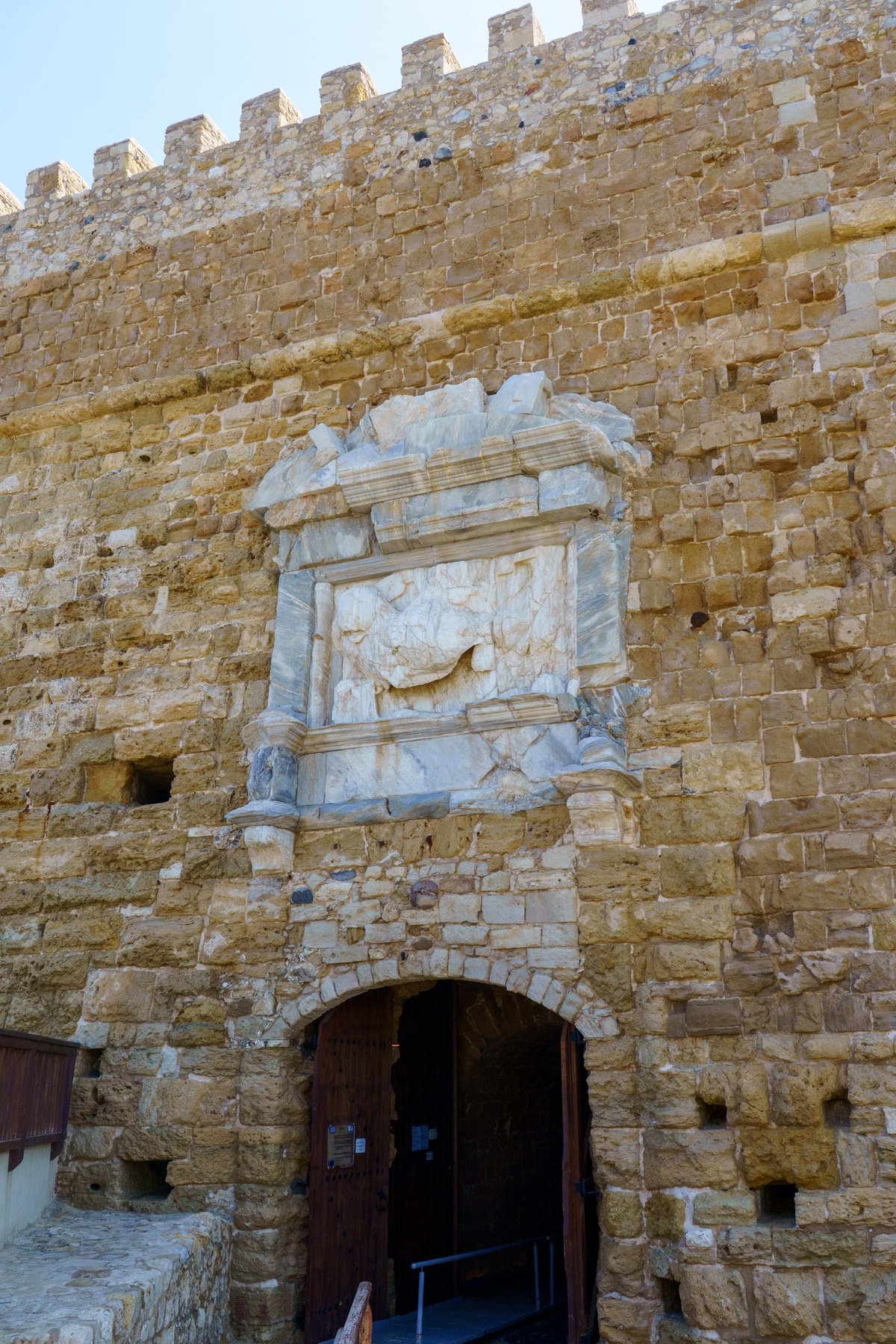
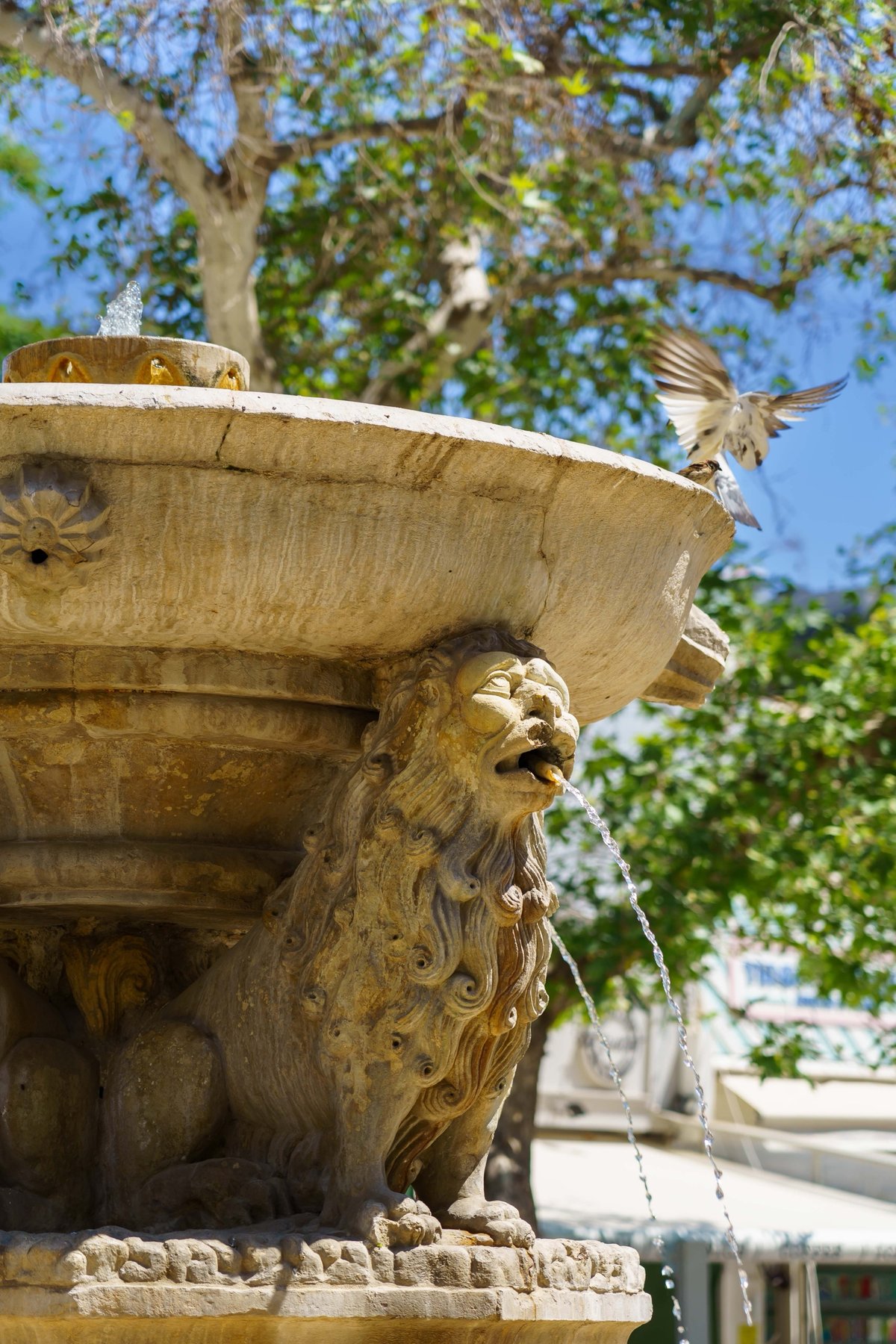
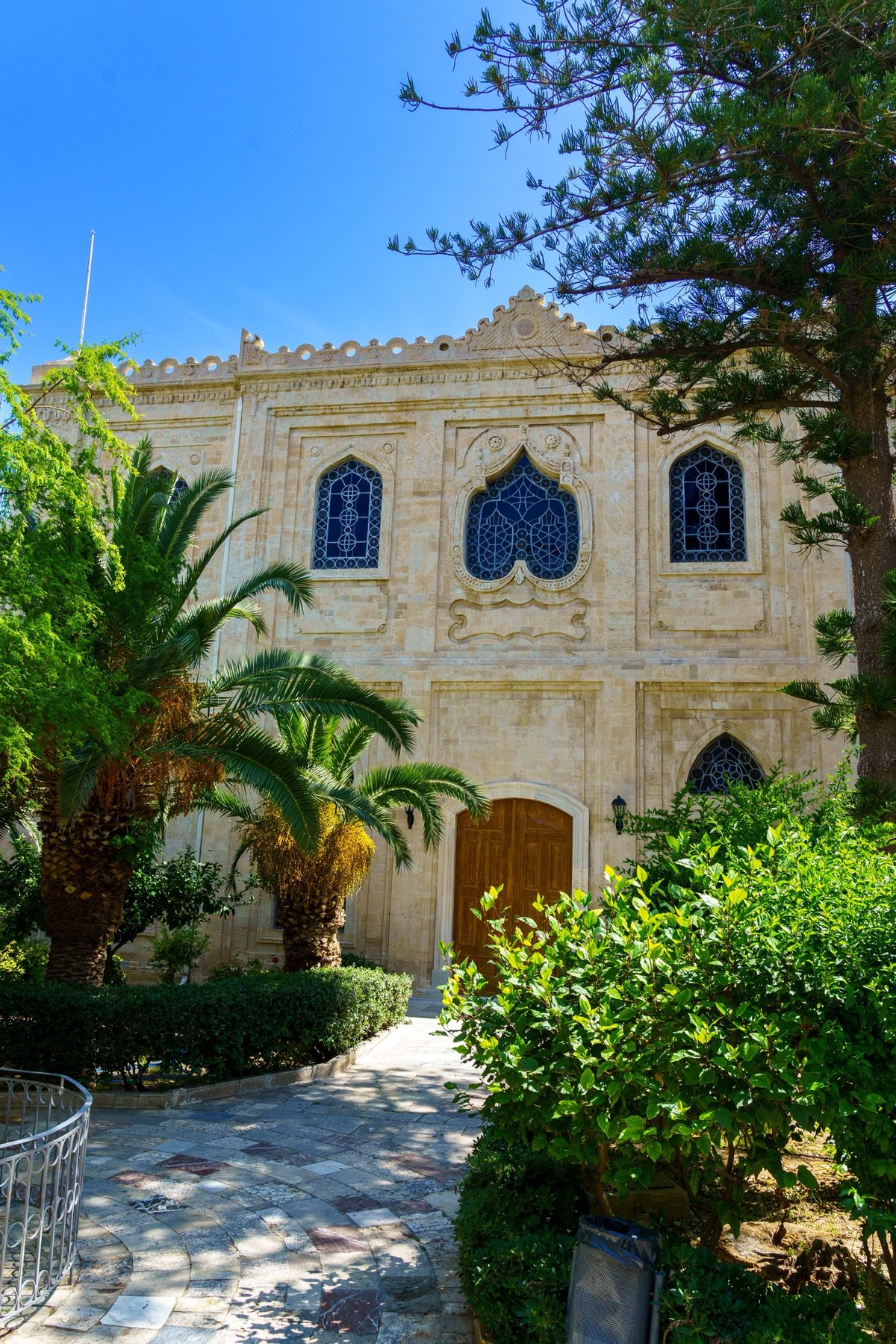
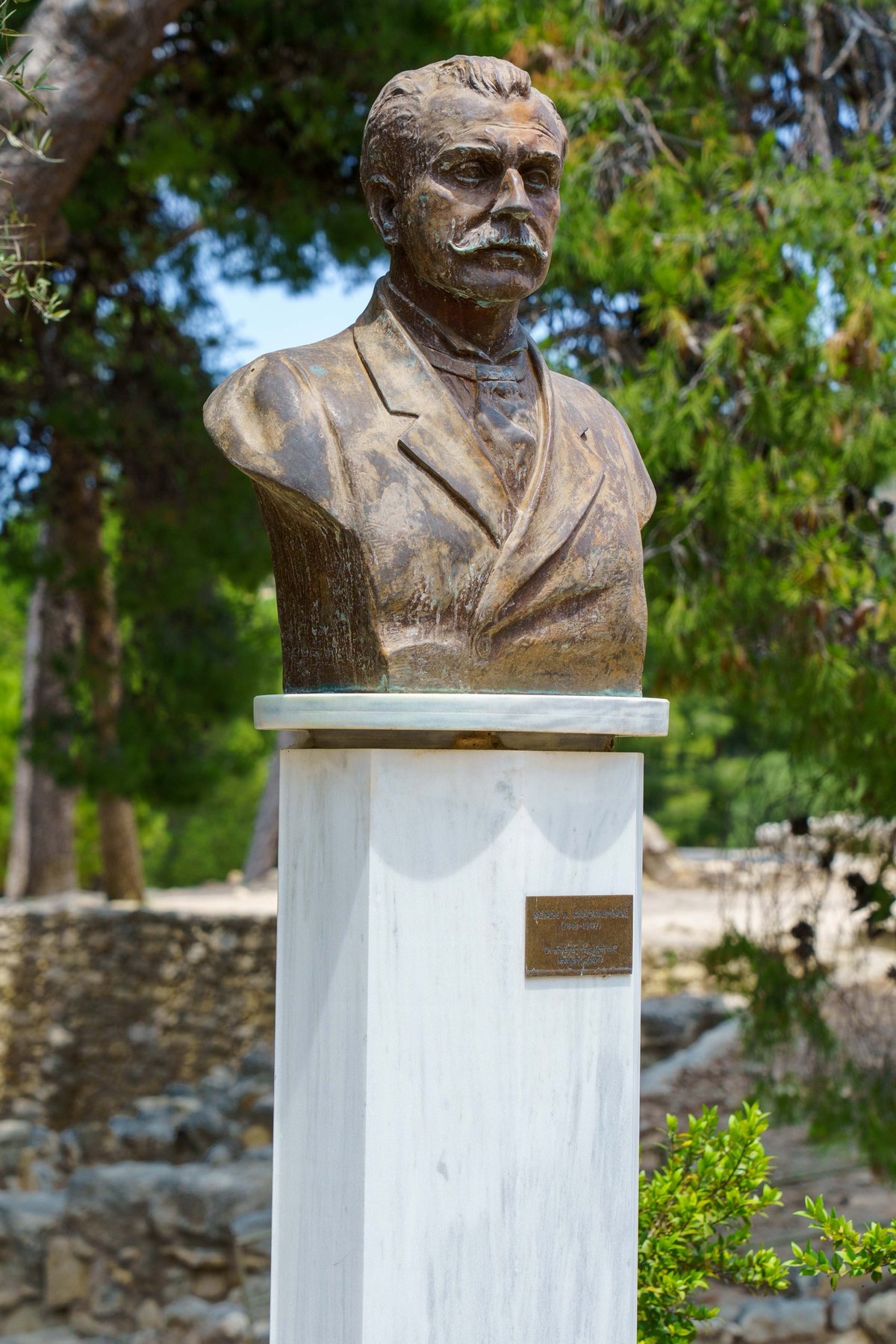
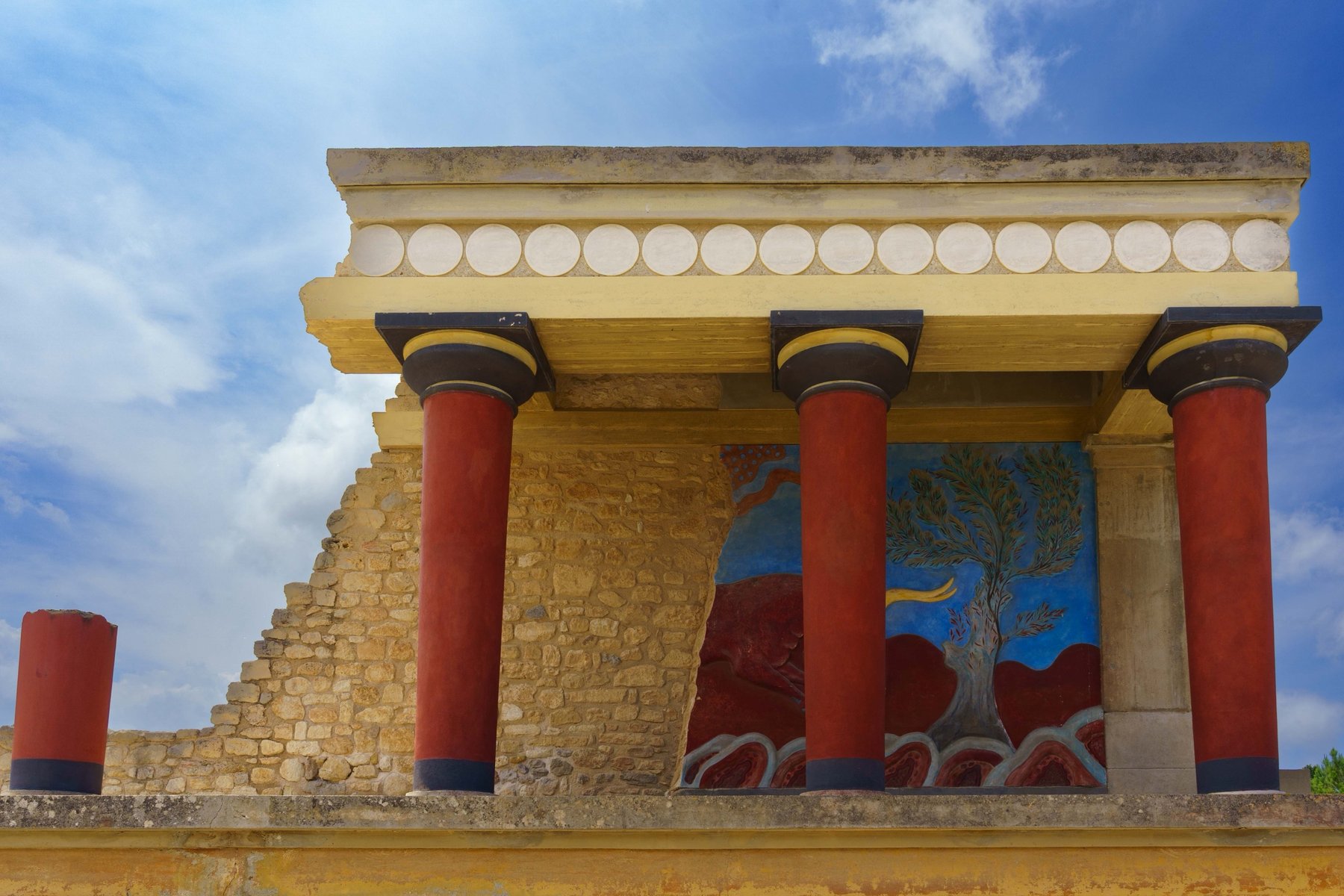
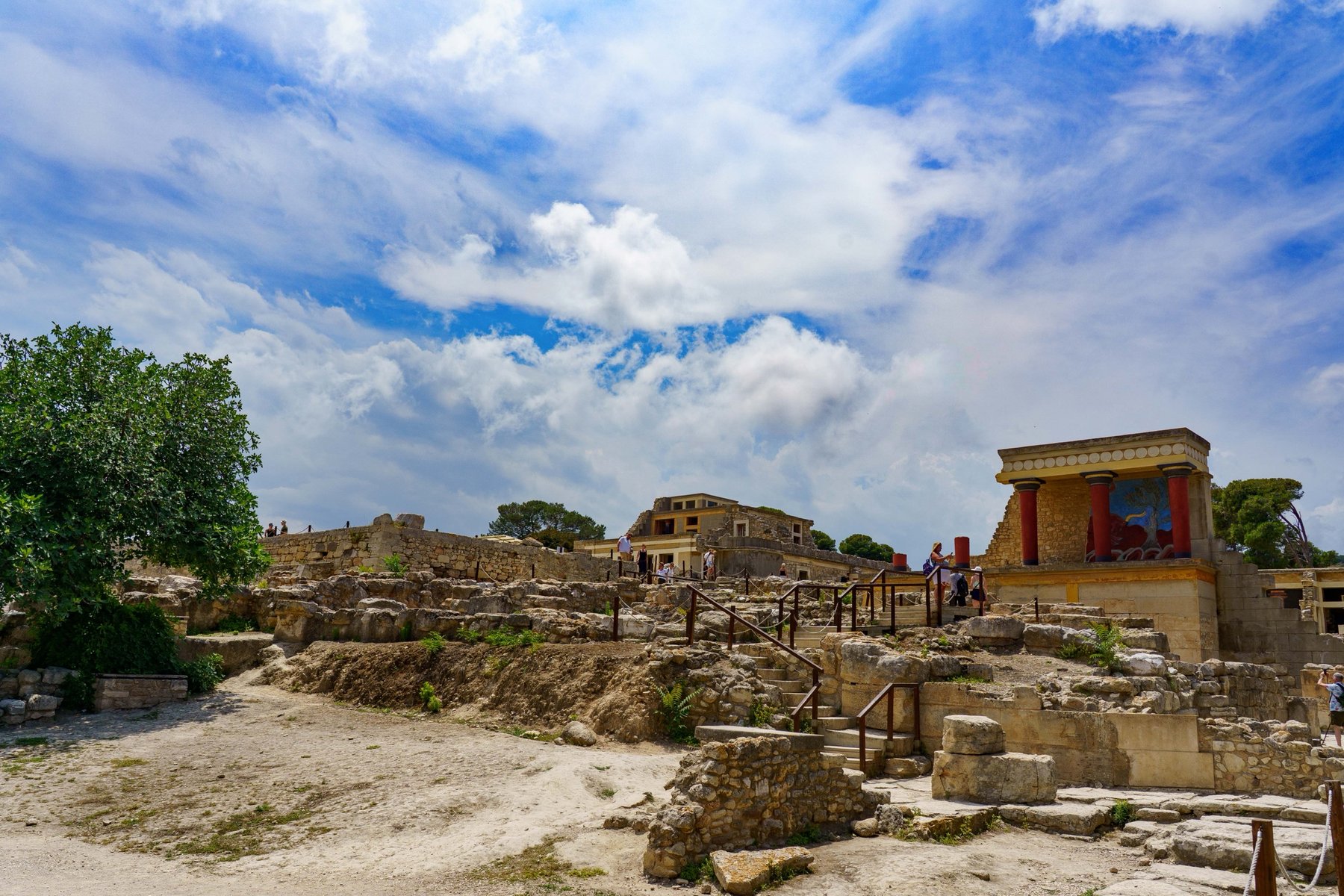
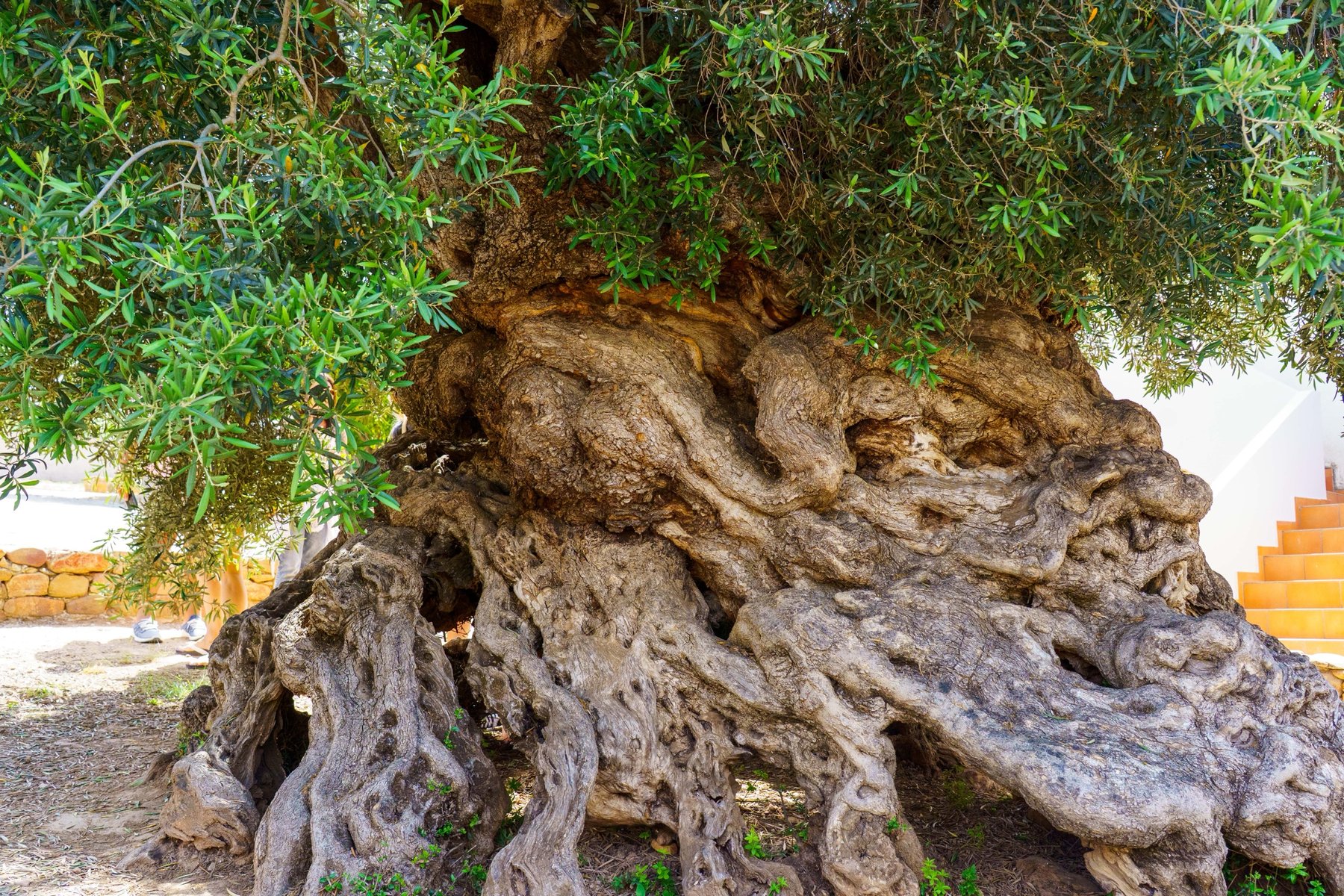
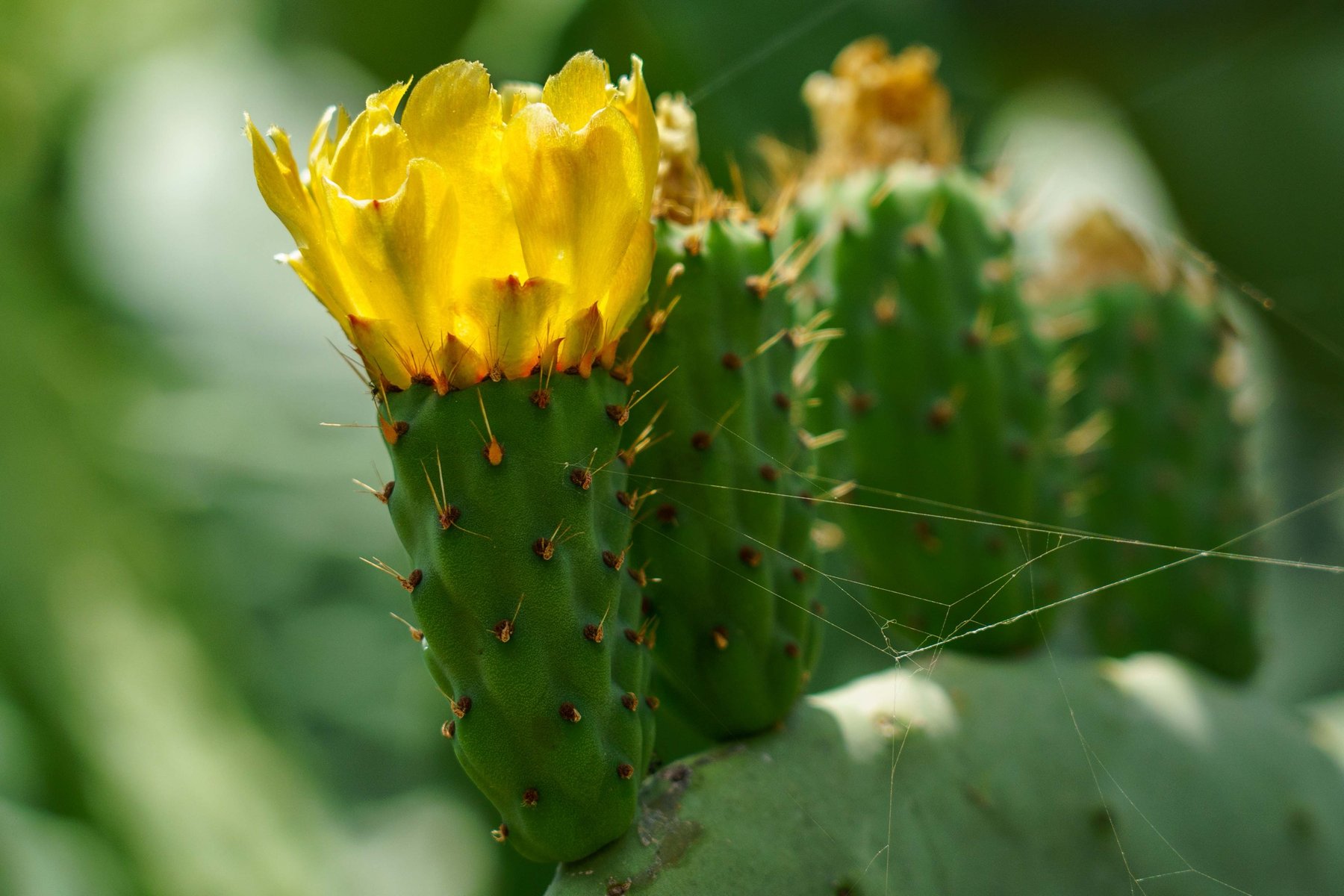
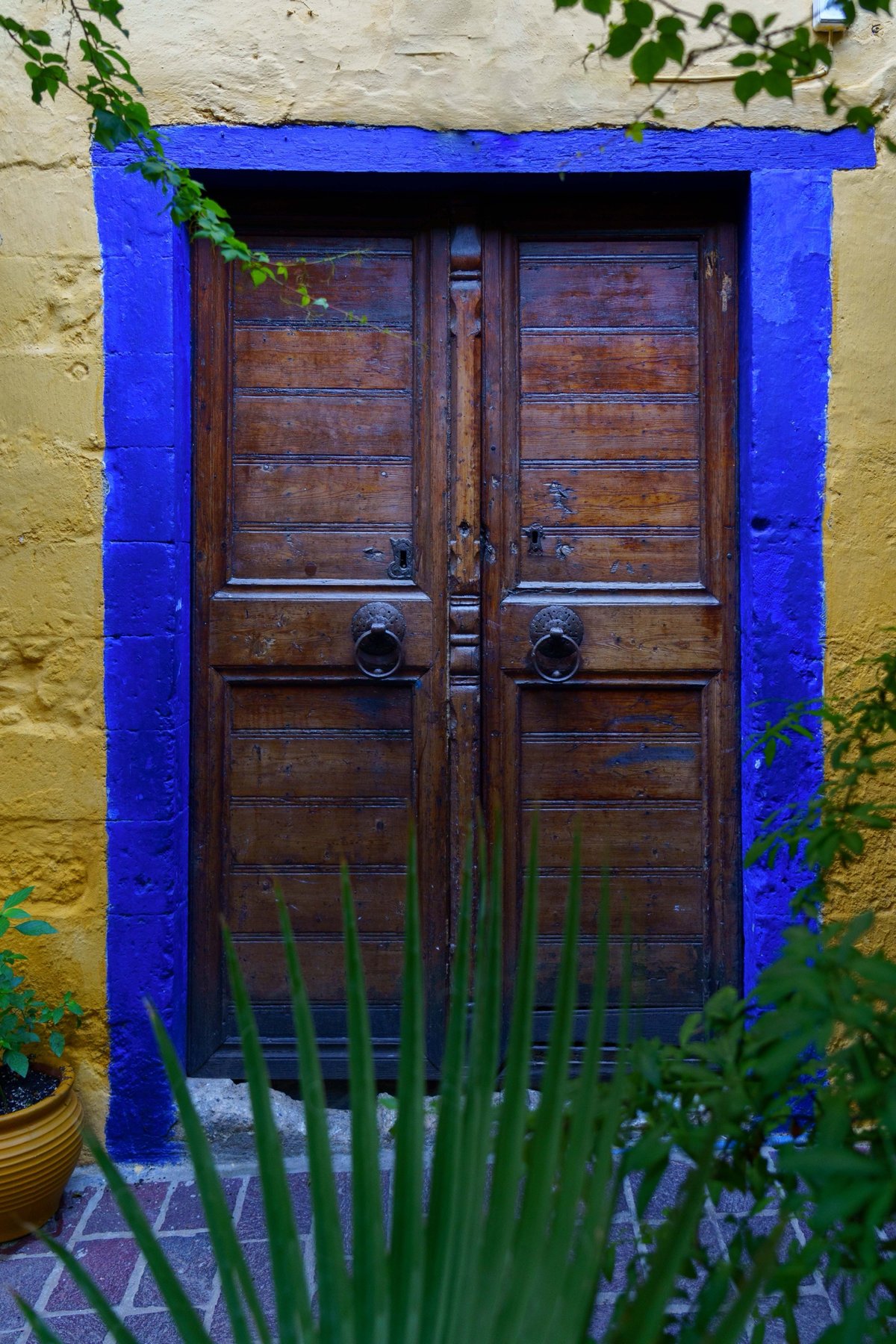
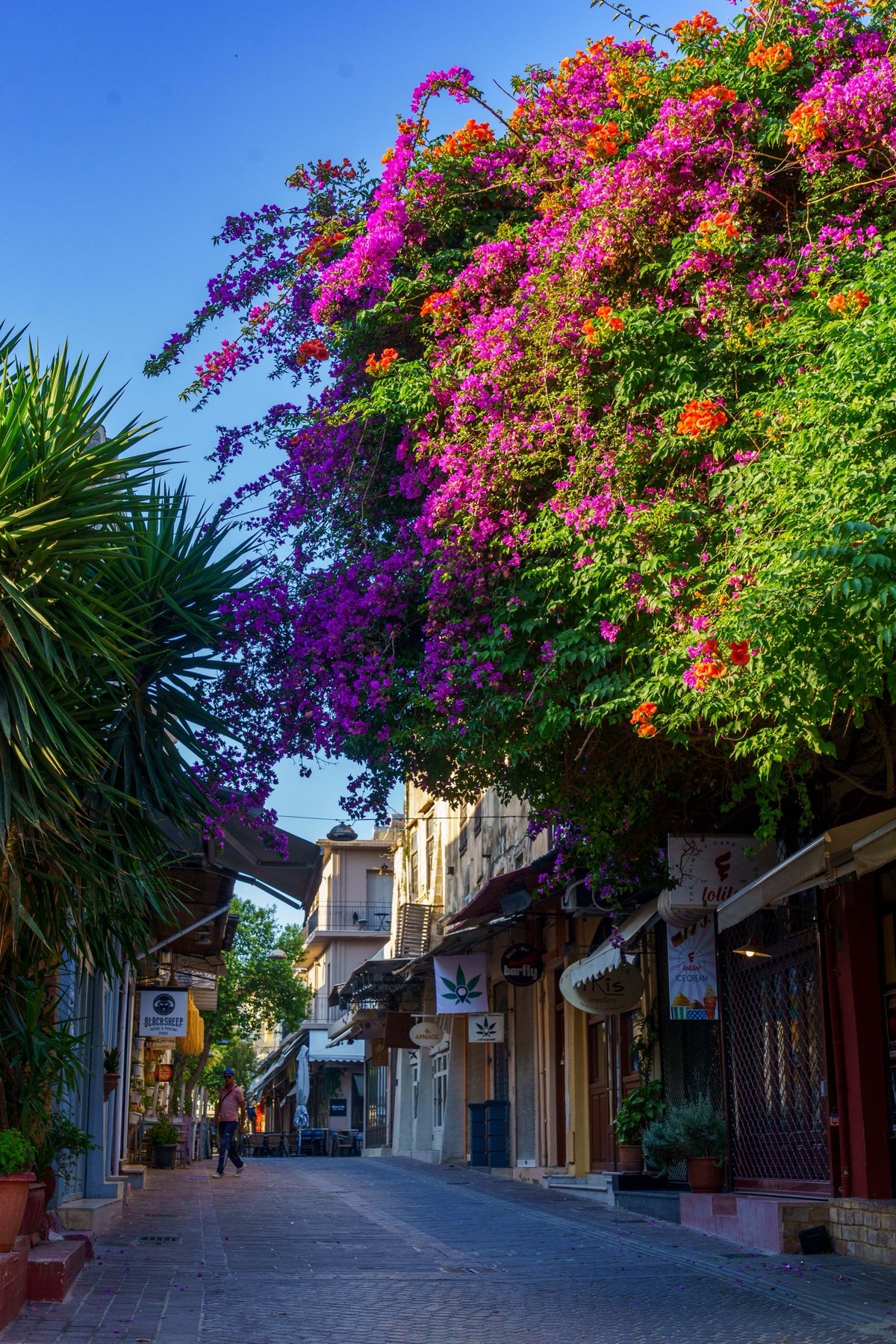
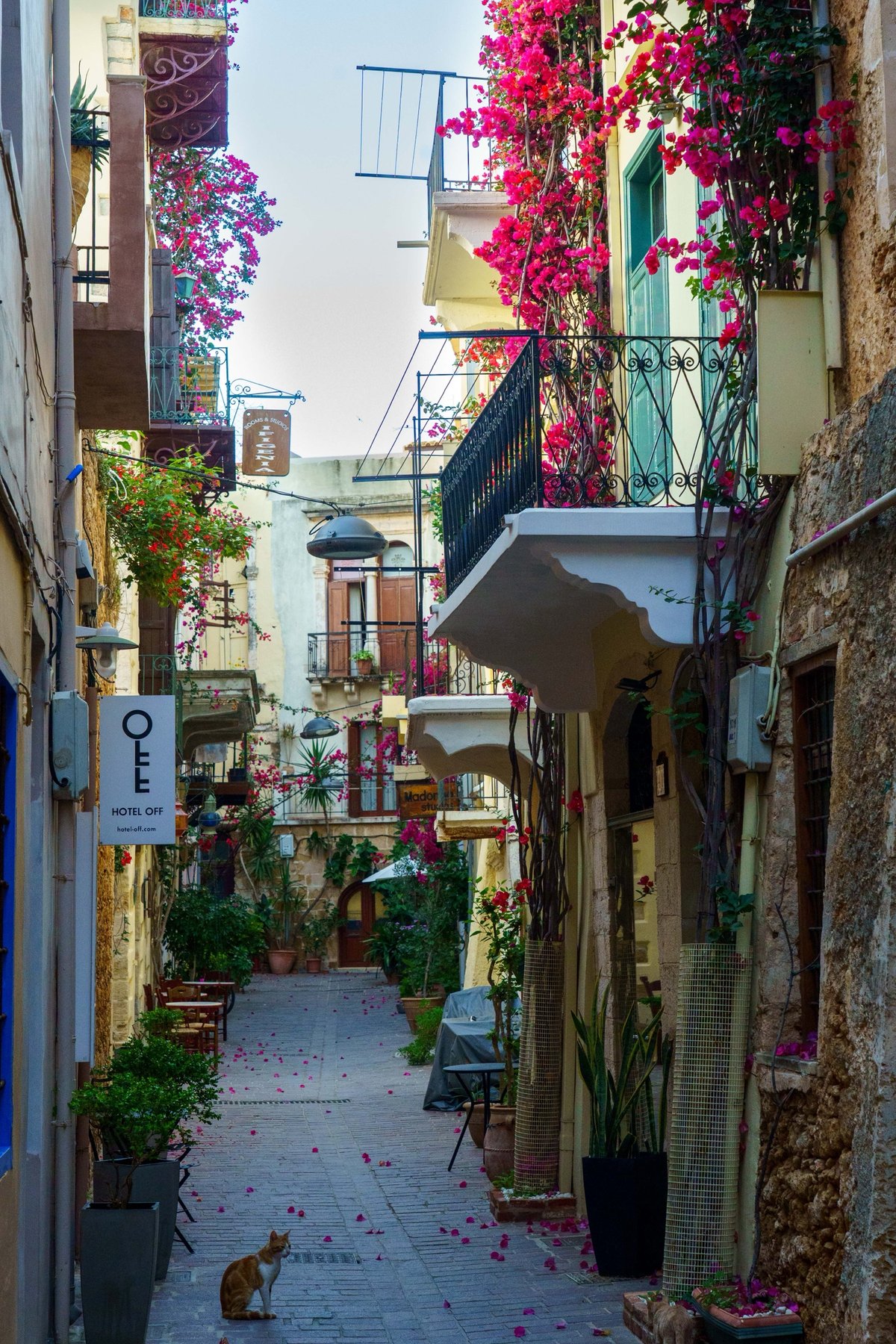
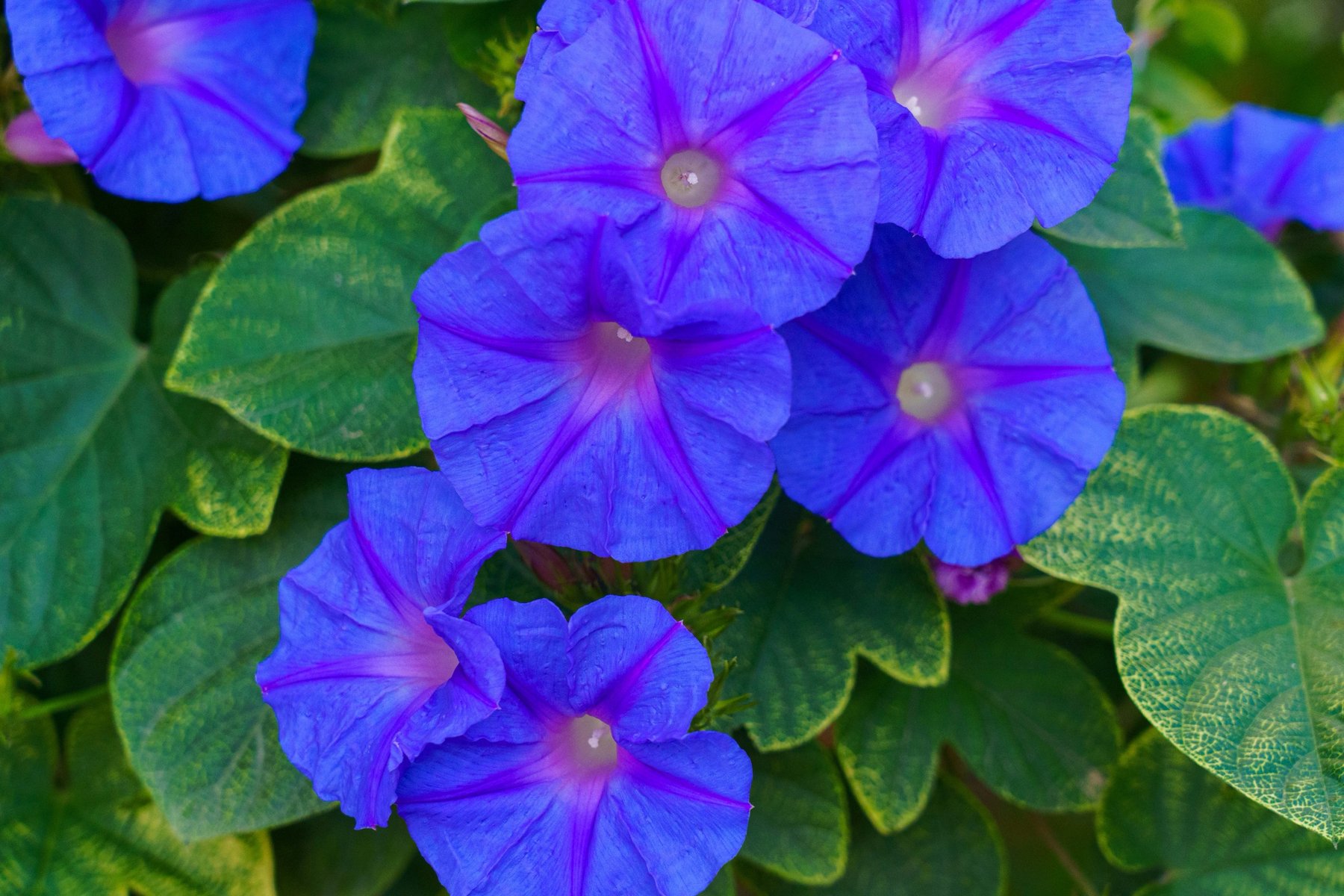
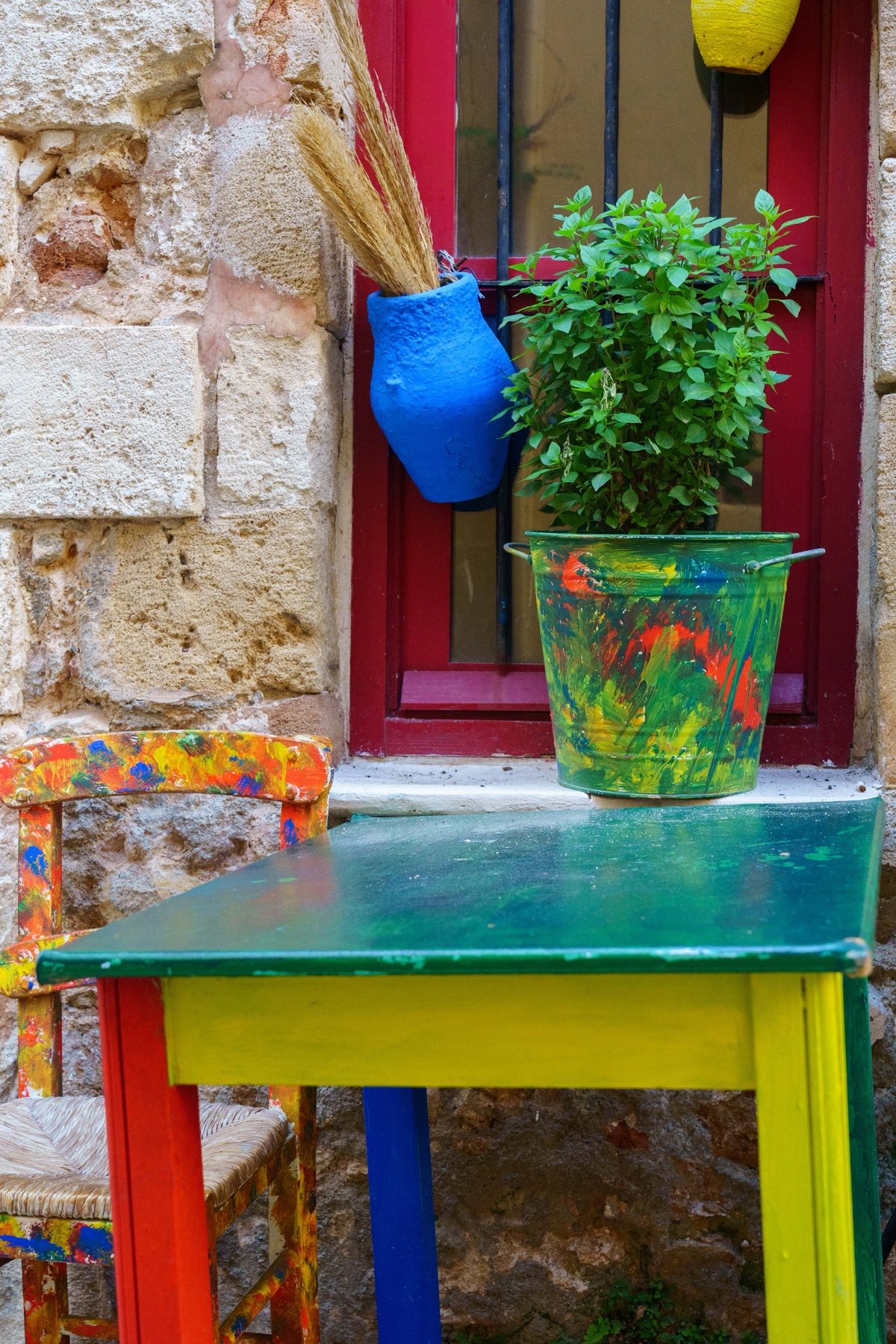
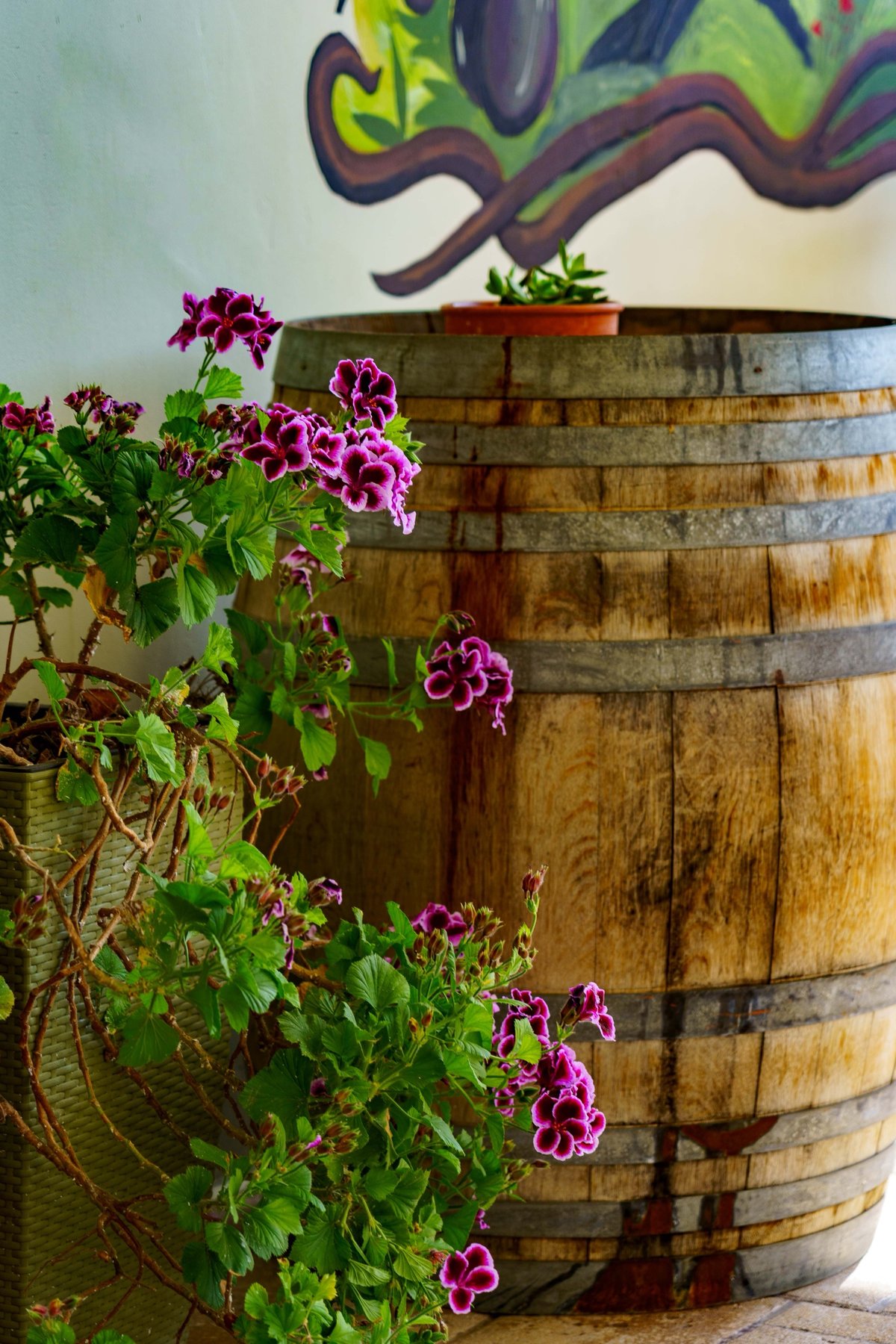
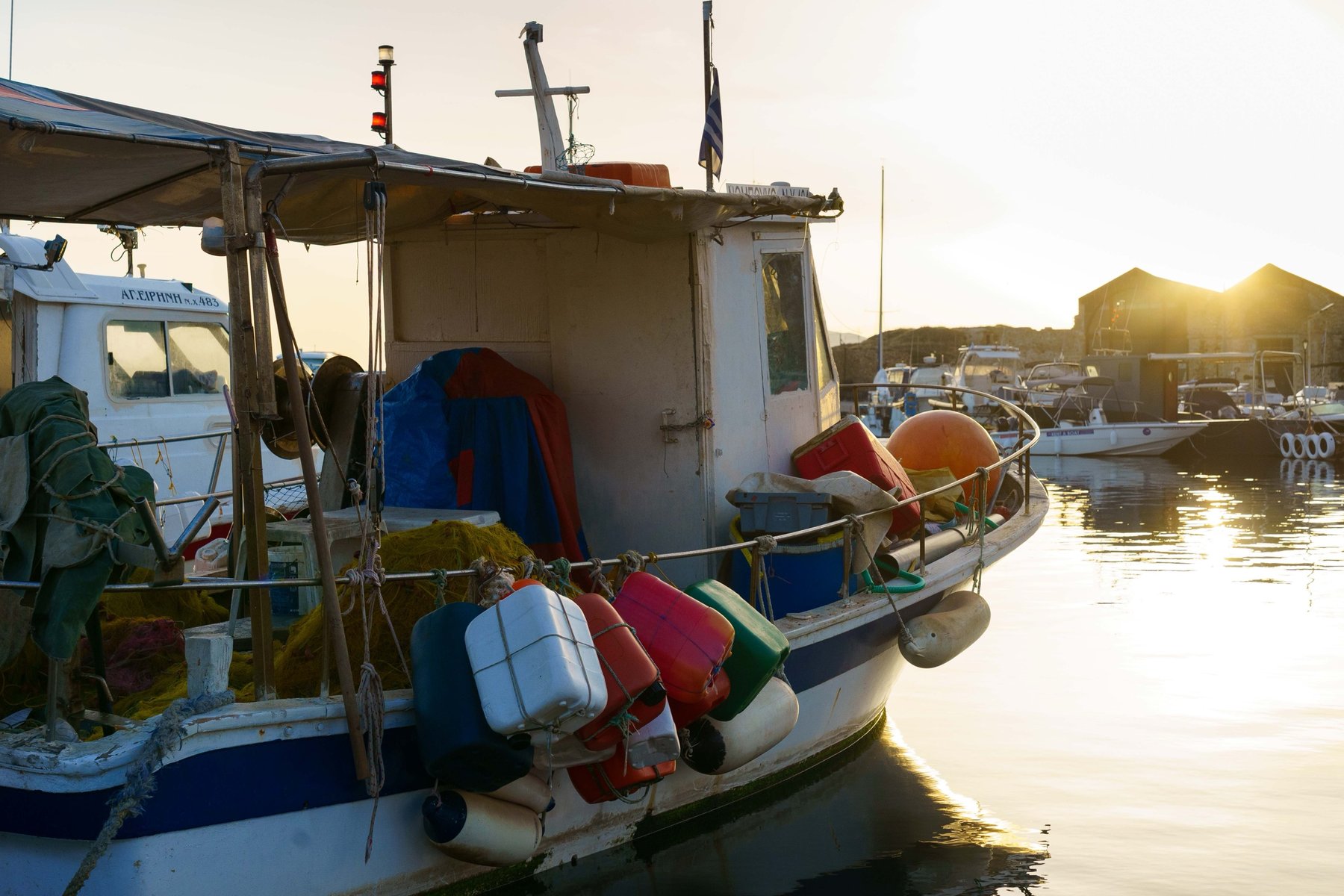
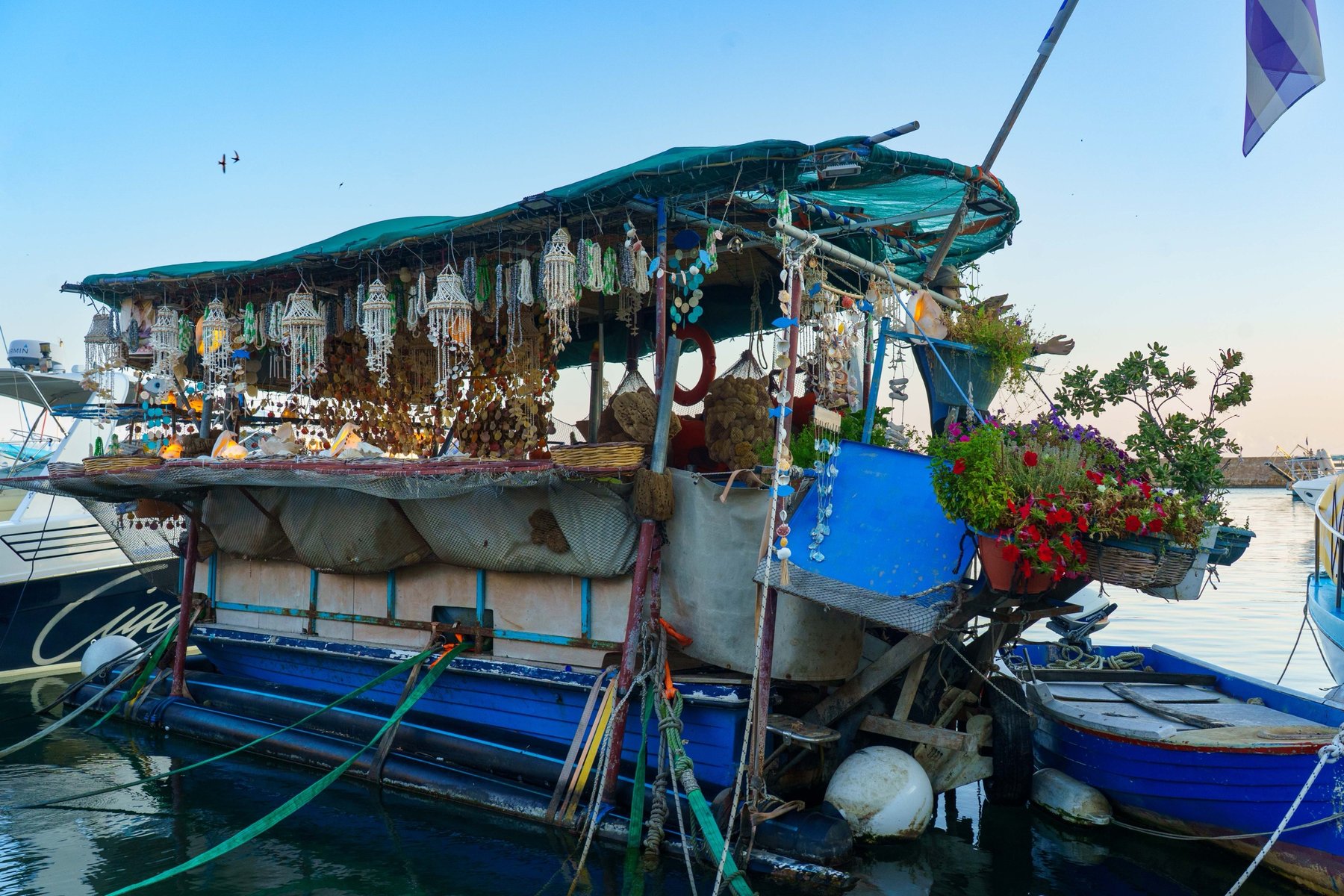
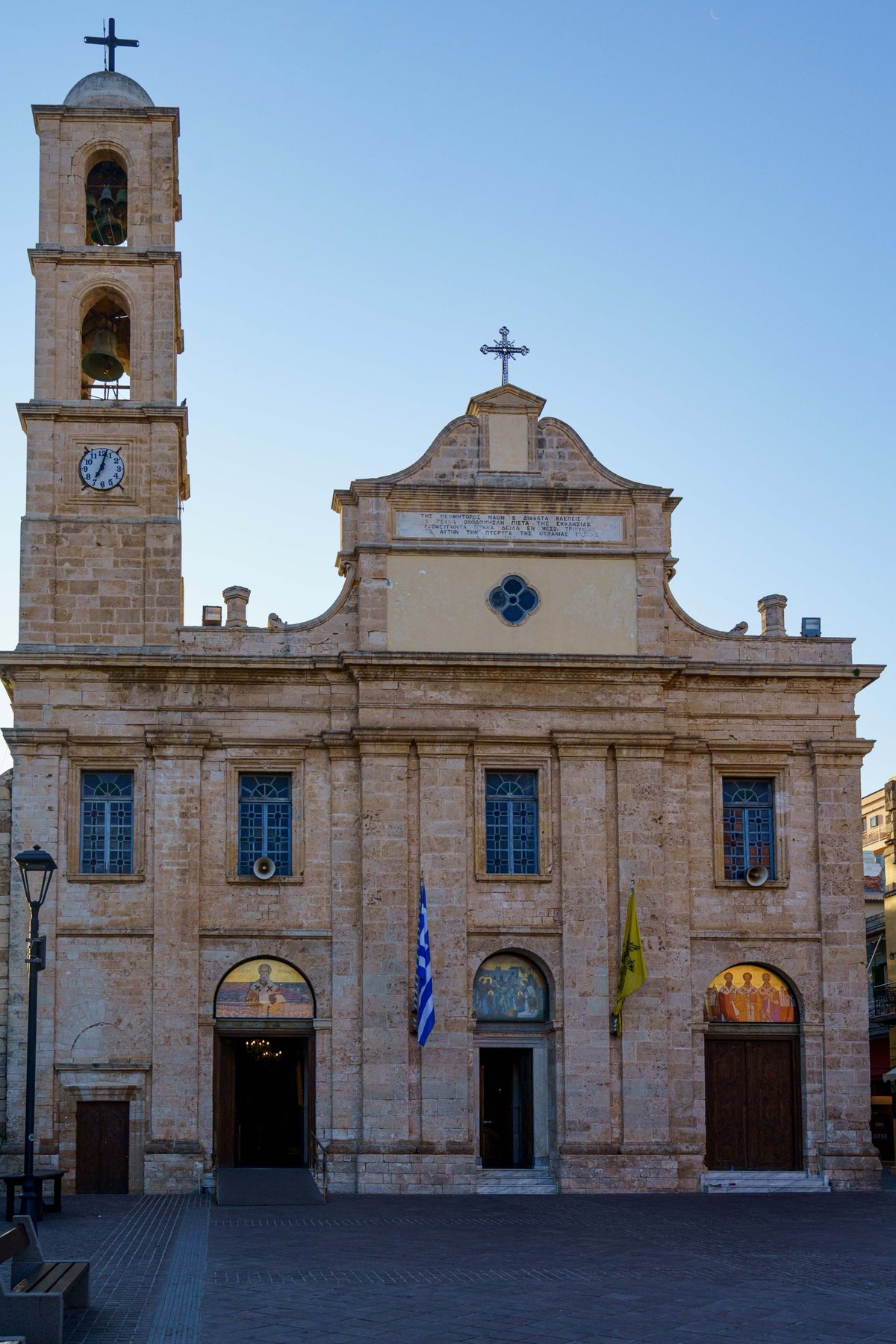
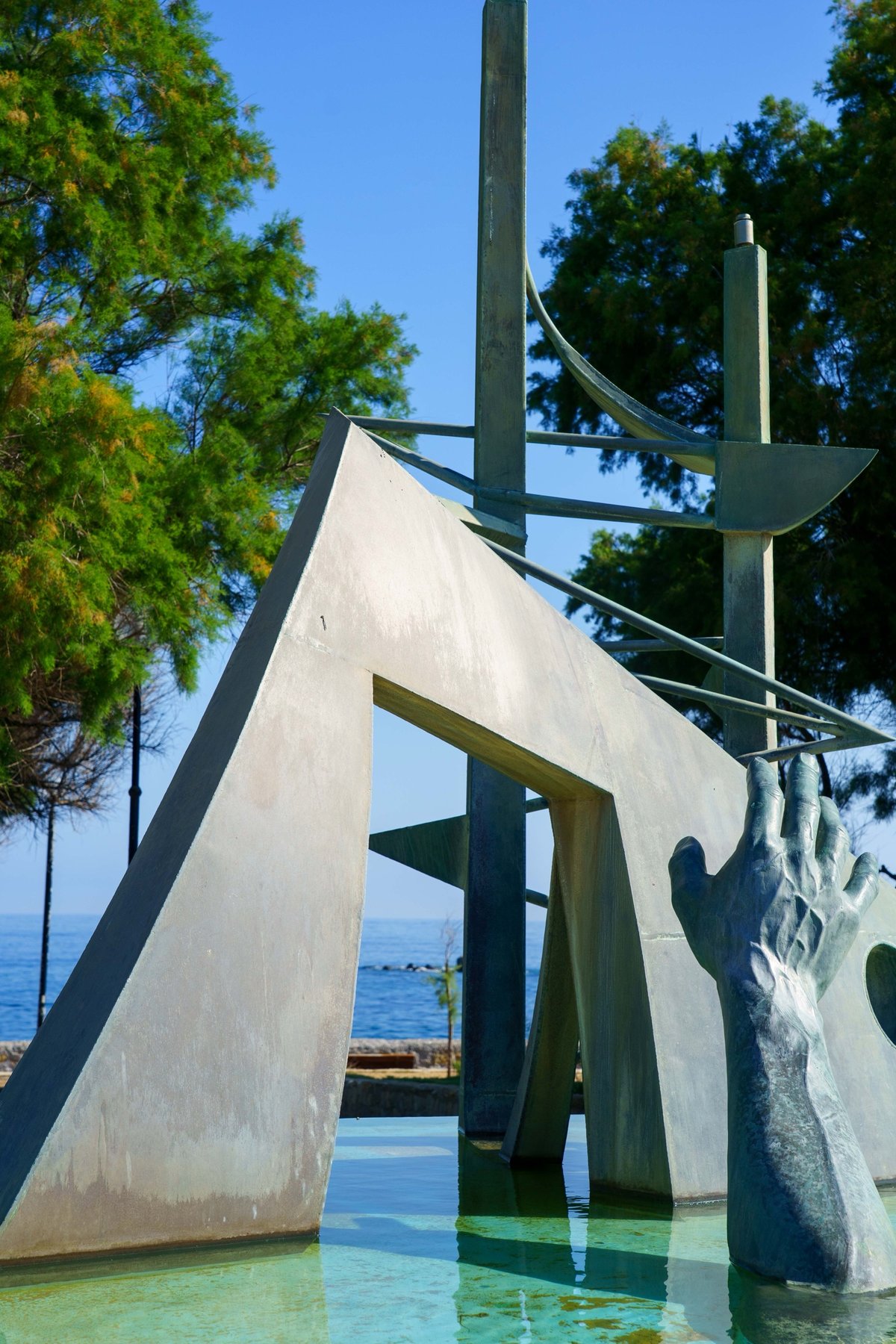
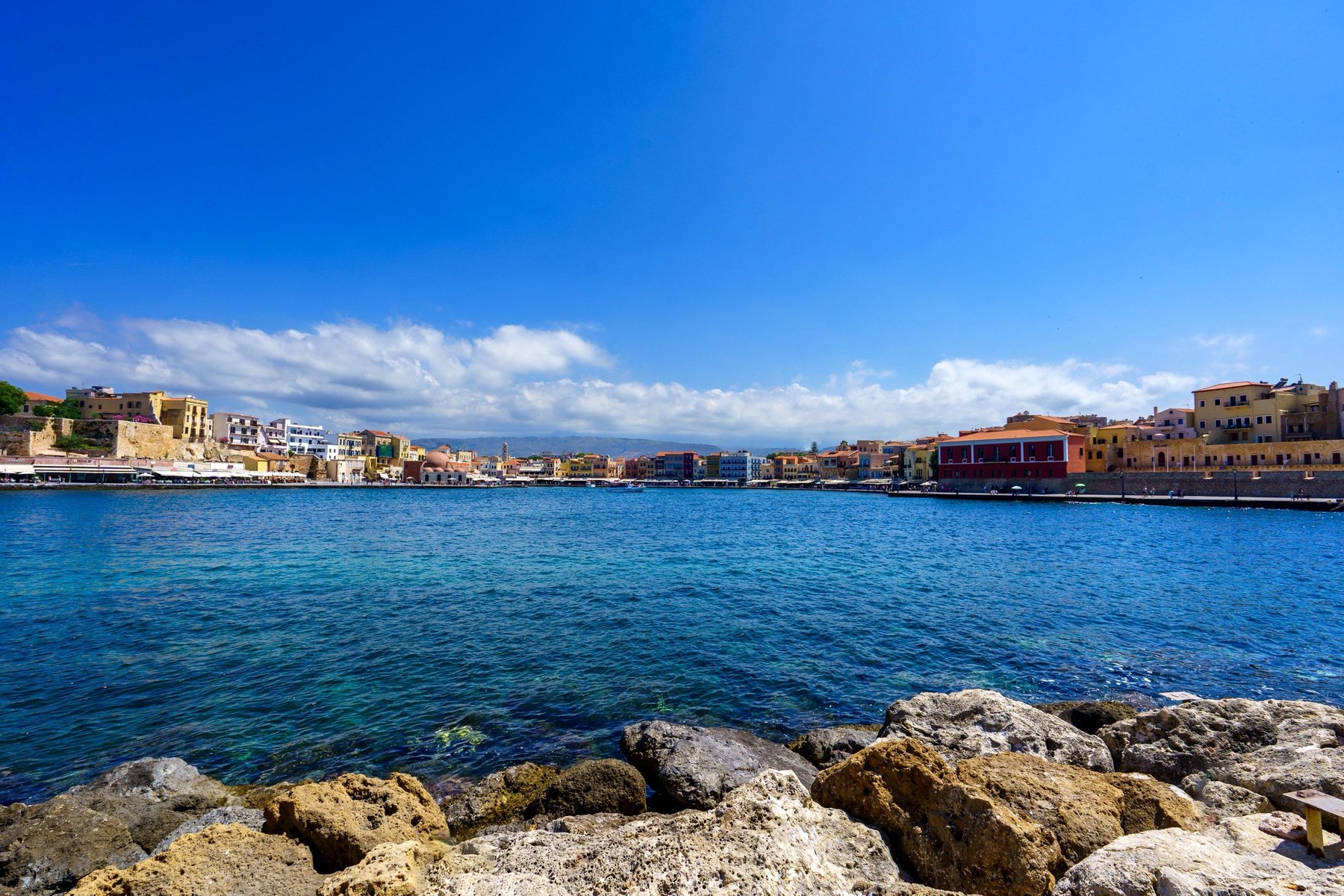
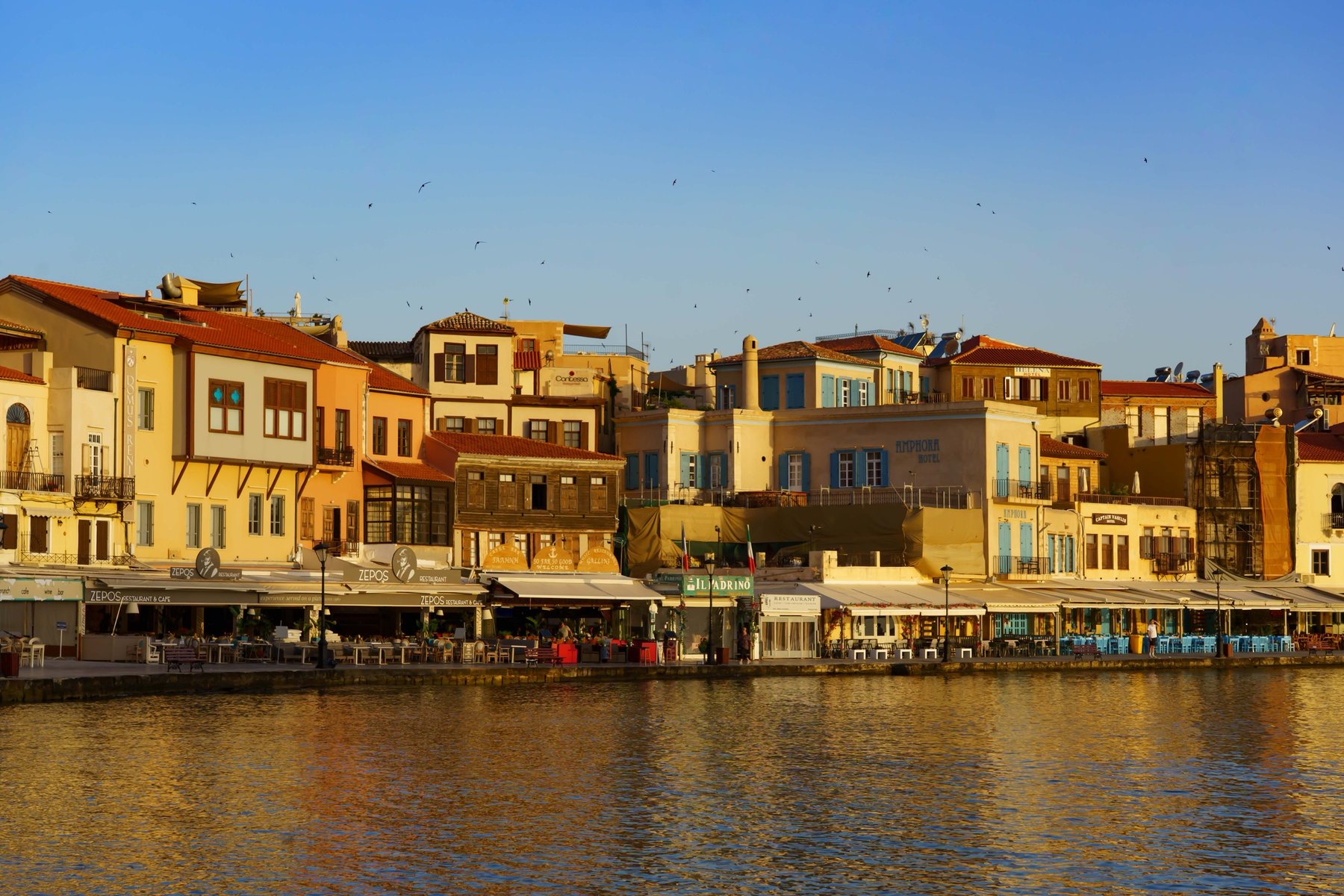
Heraklion's Koules Fortress still guards the harbor entrance, a Venetian holdover with the Lion of St. Mark carved into its walls and an old iron anchor resting nearby. A few blocks in, the Morosini Fountain's lions keep flowing past an ornate Moorish-arched facade. A short drive out of the city, a bust of Minos Kalokairinos — the man who first broke ground at Knossos — stands watch over the palace's reconstructed red columns and sprawling ruins. Out in the countryside, the Olive Tree of Vouves is gnarled and still bearing fruit after an estimated 3,000 years, not far from a prickly pear cactus in bloom. Chania, on the island's western coast, keeps its own rewards close together: a blue-framed door, alleys canopied in bougainvillea, a cat keeping watch, morning glories climbing a wall, hand-painted café furniture, and geraniums beside a wine barrel. The day winds down at the harbor — a lone fishing boat rigged with buoys at sunrise, a trinket boat strung with shells, the Orthodox Cathedral catching the morning light, the Monument of the Hand remembering the roughly 200 lives lost when the ferry Heraklion sank in 1966, and the harbor itself glowing pastel by day before it settles into gold at dusk.